Boulder Bound Day 7 (Prices We Pay)

Today will take me from 9300 feet above sea level down to 7700 feet, in the little, historic town of Salida, CO. But it begins in Silverton, which I discover has come up with a great way to make intersections safe economically:

Put a post with 4 stop signs on it in the .iddle of the intersection.

Put a post with 4 stop signs on it in the middle of the intersection.

That’s one street away from Main St, but Silverton is a small town and tourists don’t use this street.

The “million dollar” road to Ouray winds through the high mountains, often without guard rails or passing lanes, but that is not unusual for backroad travel. It’s the precipitous drops of many thousand feet just inches from the roadway that are.

Roads still seem to disappear into impossible barriers.

Roads still seem to disappear into impossible barriers.

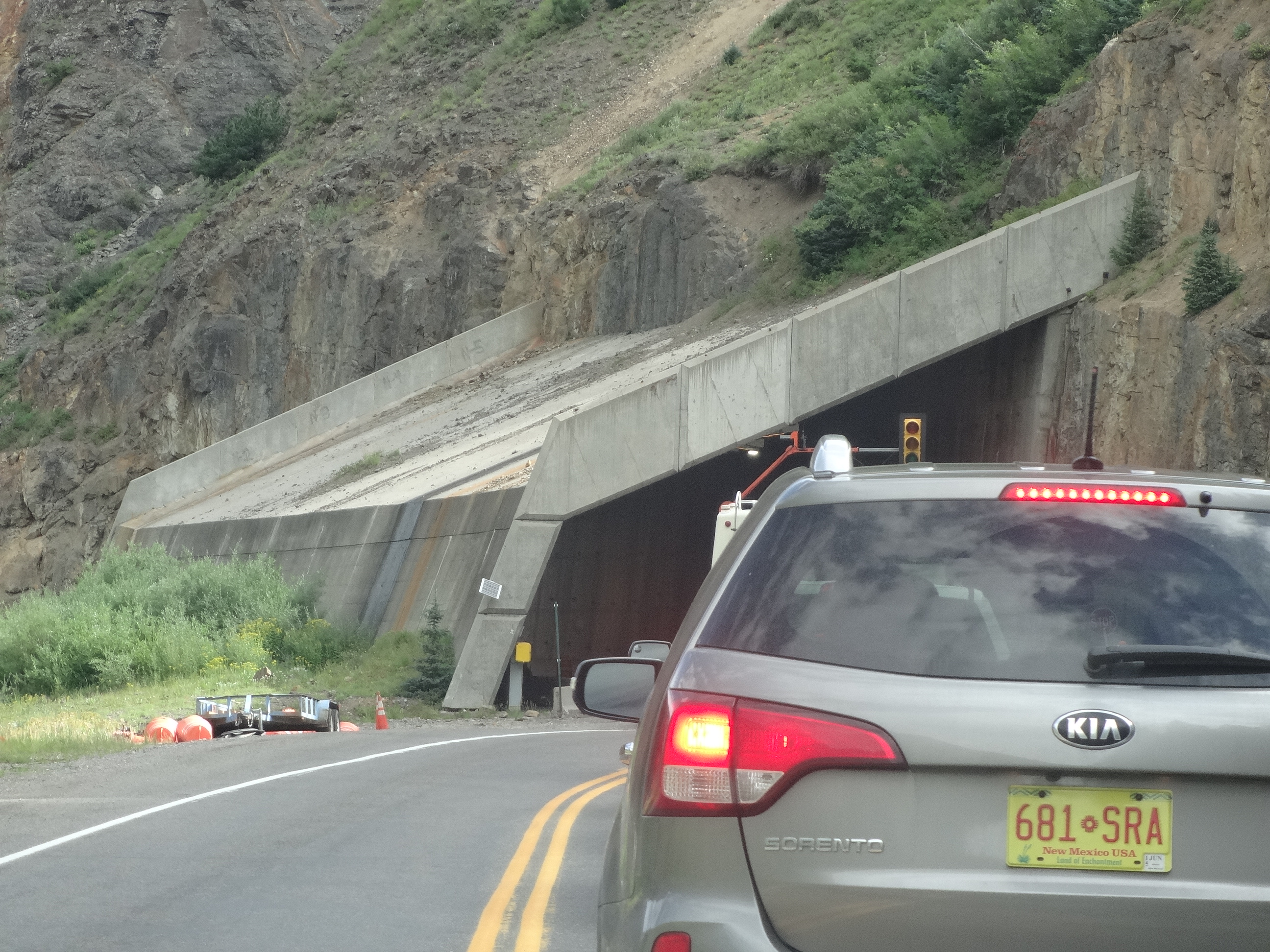
Ingenuity knows no limits. If you can't stop the slide, you can tell it where to go.

Ingenuity knows no limits. If you can’t stop the slide, you can tell it where to go.

Mining despoiled the landscape but gave a growing nation the raw materials it needed. Now it seems to be the chain stores, strip malls, and big box guys that do the despoiling, giving us the products we want, but always at a price. I rediscover this part of our culture--absent since Yosemite--in Montrose, a mountain town that both mining and tourism have abandoned.

Mining despoiled the landscape but gave a growing nation the raw materials it needed. The price was paid in lives as well as landscape. Now it seems to be the chain stores, strip malls, and big box guys that do the despoiling, giving us the products we want, but always at a price. I rediscover this part of our culture–absent since Yosemite–in Montrose, a mountain town that both mining and tourism have abandoned.

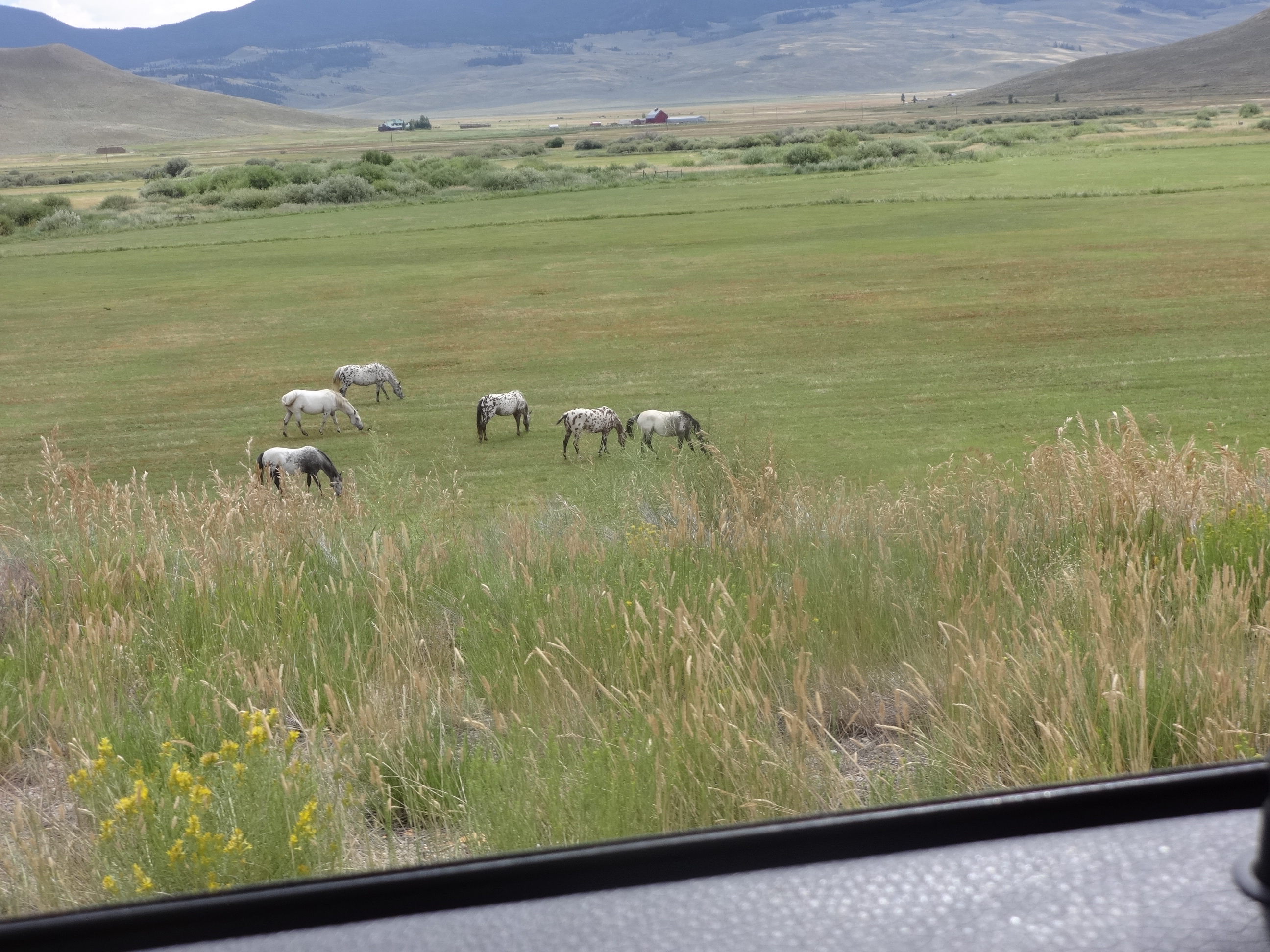
But outside town the desert and the mountain hillsides have given way to pastures in this high valley.

But outside town the desert and the mountain hillsides have given way to pastures in this high valley.

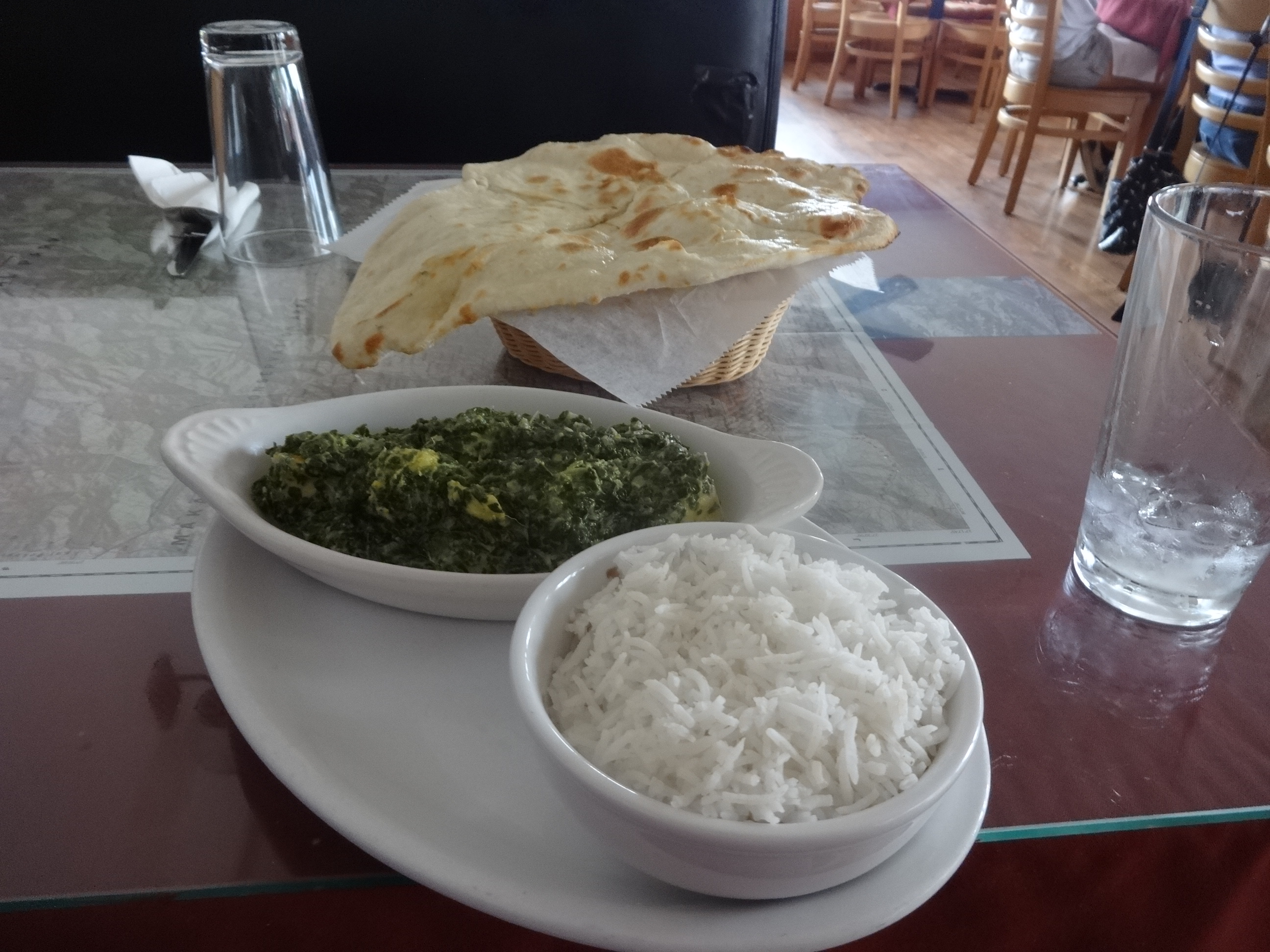
Meals, always meals, and the ubiquitous burgers and fries, steaks and chops. But every town has its secret alternatives. And in Gunnison I find a Tibetan restaurant that fuels me up for the remaining drive.

Saag chicken and naan bread in the Rockies.

Saag chicken and naan bread in the Rockies.

Salida seems a great place, with a more diverse economy and a lively downtown. I find a modest motel that is across the street from the aquatic center, fed, as it surely ought to be, by hot spring water.

The swimming lanes were open and the water warm. A couple and I debated why Union Jacks proliferated in downtown, until someone told us a British rock band was coming soon.

The swimming lanes were open and the water warm. A couple and I debated why Union Jacks proliferated in downtown, until someone told us a British rock band was coming soon.

Downtown fronts a river at the foot of the surrounding hills. I ate outside in the cooling mountain air.

Downtown fronts a river at the foot of the surrounding hills. I ate outside in the cooling mountain air.

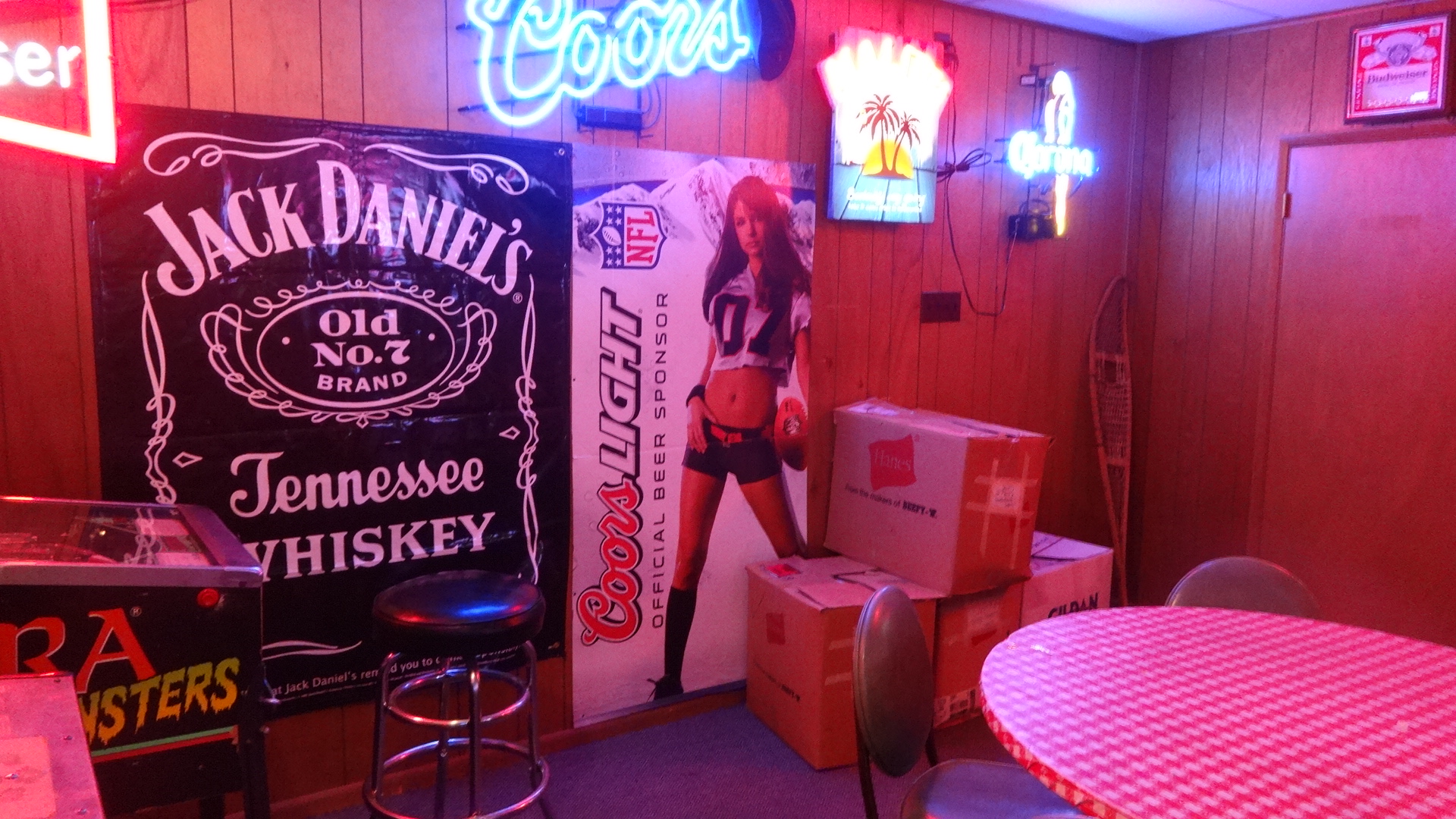
After eating I went into the bar to watch the San Francisco Giants play a game. The patrons gave the game little heed but the bar had a lively, friendly tone that made me think this wouldn’t be a bad place to live.

The Giants would have won if Buster Posey's hit, with two out in the last inning, had gone just two feet further for a home run. But it didn't.

The Giants would have won if Buster Posey’s hit, with two out in the last inning, had gone just two feet further for a home run. But it didn’t.

Tomorrow it’s on to Boulder and a faculty reception that will start the new academic year.

Boulder Bound Day 6: Rocky Mtn highs

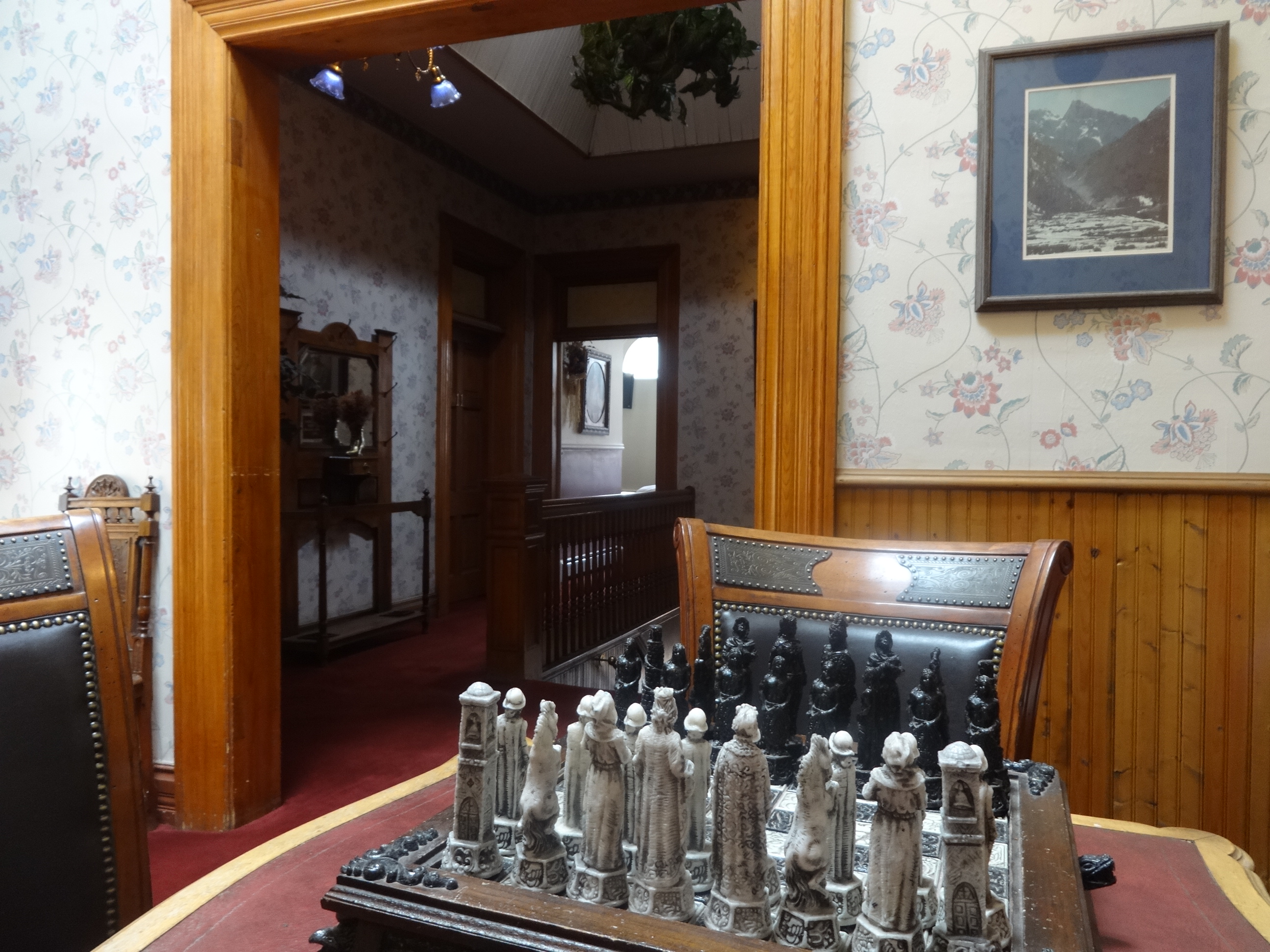
Durango retains its Victorian roots, plays them up actually, even if there is wi-fi and flat screen TVs in every room.

The library at the General Palmer hotel in Durango, the old west lives on.

The library at the General Palmer hotel in Durango, the old west lives on.

On the road, it’s clear I’m in a new landscape: higher, more pine and fir, even some rain. And below, at a mere 9300 feet, I get a glimpse of Silverton (it’s between the trees down there):

Mountain roads make photos difficult, as do the trees. Silverton was purely a mining town, everyone here served the miners.

Mountain roads make photos difficult, as do the trees.
Silverton was purely a mining town, everyone here served the miners. 9300 feet and the mines were on slopes above that! It’s easy to feel out of breath.

Now everyone here serves the visitors. Three groups of us: visitors who come to see someone they know; travelers who are en route to a destination, real or imaginary, and perhaps a change of life, and tourists for whom the sites are the destinations and what’s sought is some form of “insider” (been there, heard that, seen this) knowledge to take home. I fluctuate between traveler and tourist.

Even the cast iron trash receptacles do their part to add a note of history to the scene.

Even the cast iron trash receptacles do their part to add a note of history to the scene.

Mike is our guide for a silver mine tour. He says, Hundreds of gallons of water flow out of here every minute and I ask if it's clean. Are you from the EPA he asks? If you are there'll be one less person going back up, and I say, That's the last place I'd want to work. I thnk he believes me because I make it back up.

Mike is our guide for a silver mine tour. He says, Hundreds of gallons of water flow out of here every minute and I ask if it’s clean. Are you from the EPA, he asks? If you are there’ll be one less person going back up, and I say, That’s the last place I’d want to work. I thnk he believes me because I make it back up.

There's a museum too.

There’s a museum too.

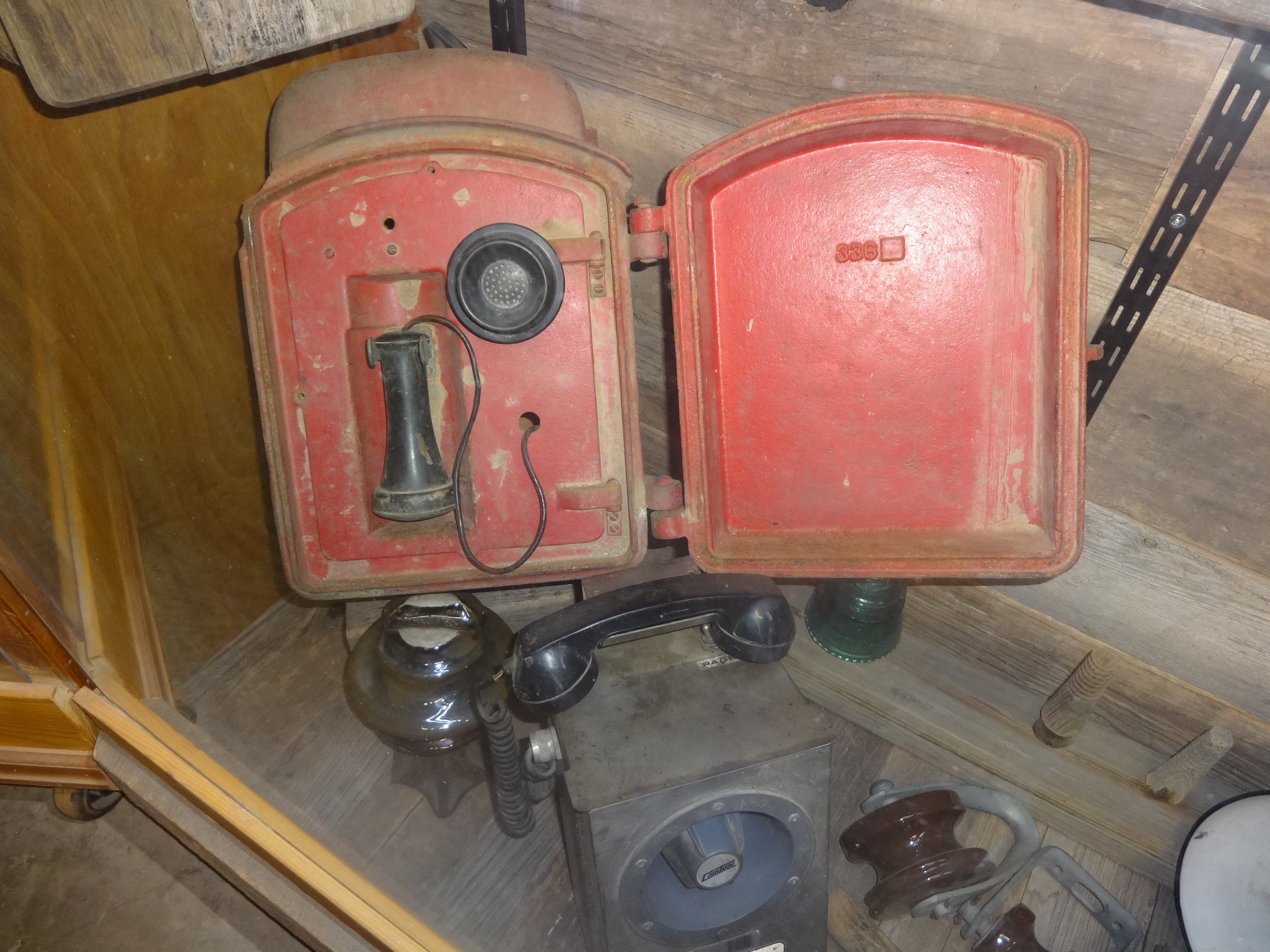
Not a cell phone but it strikes me that the 19th C had its own amazing technologies, more on a macro than a micro scale.

Not a cell phone but it strikes me that the 19th C had its own amazing technologies, more on a macro than a micro scale.

My first camera was a belows model like this one. 8 or 12 shots to a roll.

My first camera was a belows model like this one. 8 or 12 shots to a roll.

The dynamite makers on the boxes, Atlast and Dupont, are where my uncle worked, in Delaware, but he did accounting not dynamiting.

The dynamite makers on the boxes, Ajax and Dupont, are where my uncle worked, in Delaware, in the 50s and 60s, but he did accounting not dynamiting.

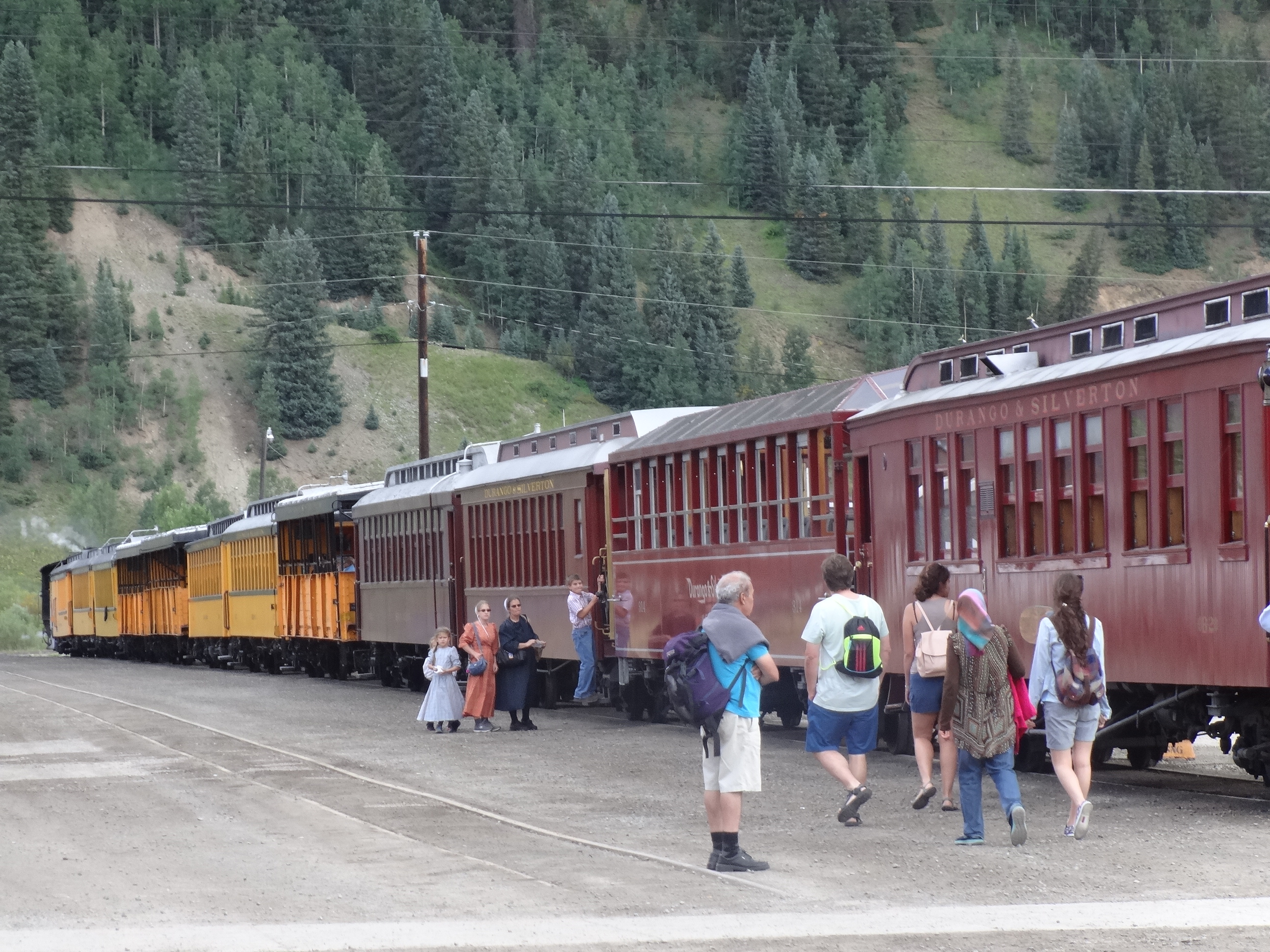
Silverton is the terminus for the train from Durango, still running on narrow gauge tracks but bring tourists instead of miners and supplies.

The valley is small and the train butts up against the surrounding mountains.

The valley is small and the train butts up against the surrounding mountains.

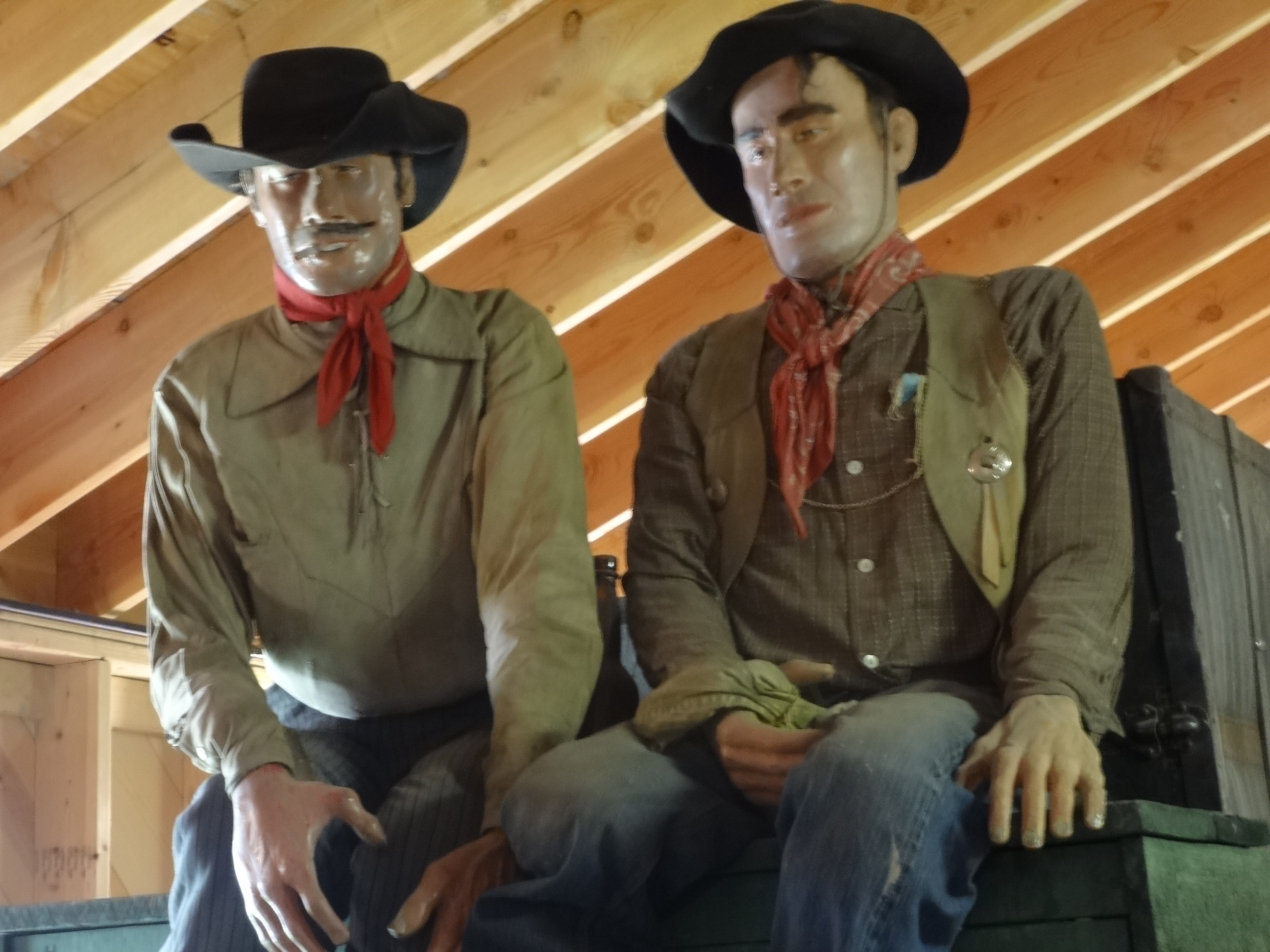
This feller's smoked too many of those cigarettes: his complexio'is all gone to hell.

This fella’s smoked too many of those cigarettes: his complexio’is all gone to hell.

I stayed at another Victorian hotel, the Wyman. It had something like 25 foot high ceilings along with the wi-fi and the flat screen TV.

My hotel for the night, on main street.

My hotel for the night, on main street.

Miners loved their chess games, when they weren't doing 12 hours in the mine or drifting into the saloons for an after dinner beverage.

Miners loved their chess games, when they weren’t doing 12 hours in the mine or drifting into the saloons for an after dinner beverage.

These fellows were heading my way, but it looked a little bouncy up there so I aimed my car toward Boulder one more time.

These fellows were heading my way, but it looked a little bouncy up there so I aimed my car toward Boulder one more time.


Boulder Bound Day 5: Mesa Verde and Beyond

Goulding's at Monument Valley. I had the last room on the right.

Goulding’s at Monument Valley. I had the last room on the right.

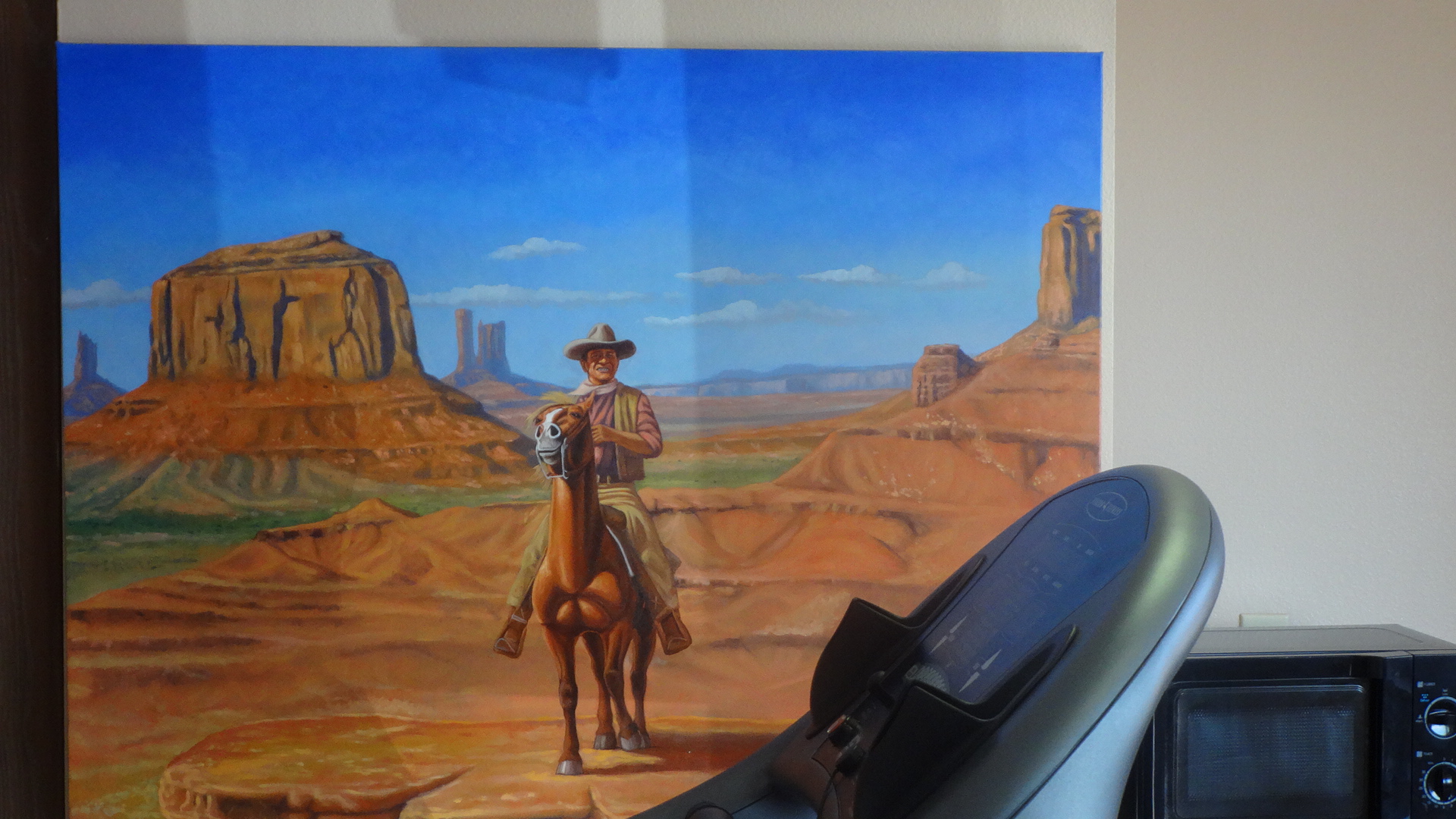
Amost time to go, but first a quick little workout with the Duke:

There's even a JohnWayne cabin to see but I let this copy of a kitschy painting speak for itself; it's by the treadmill in the workout room

There’s even a JohnWayne cabin to see but I let this copy of a kitschy painting speak for itself; it’s by the treadmill in the workout room

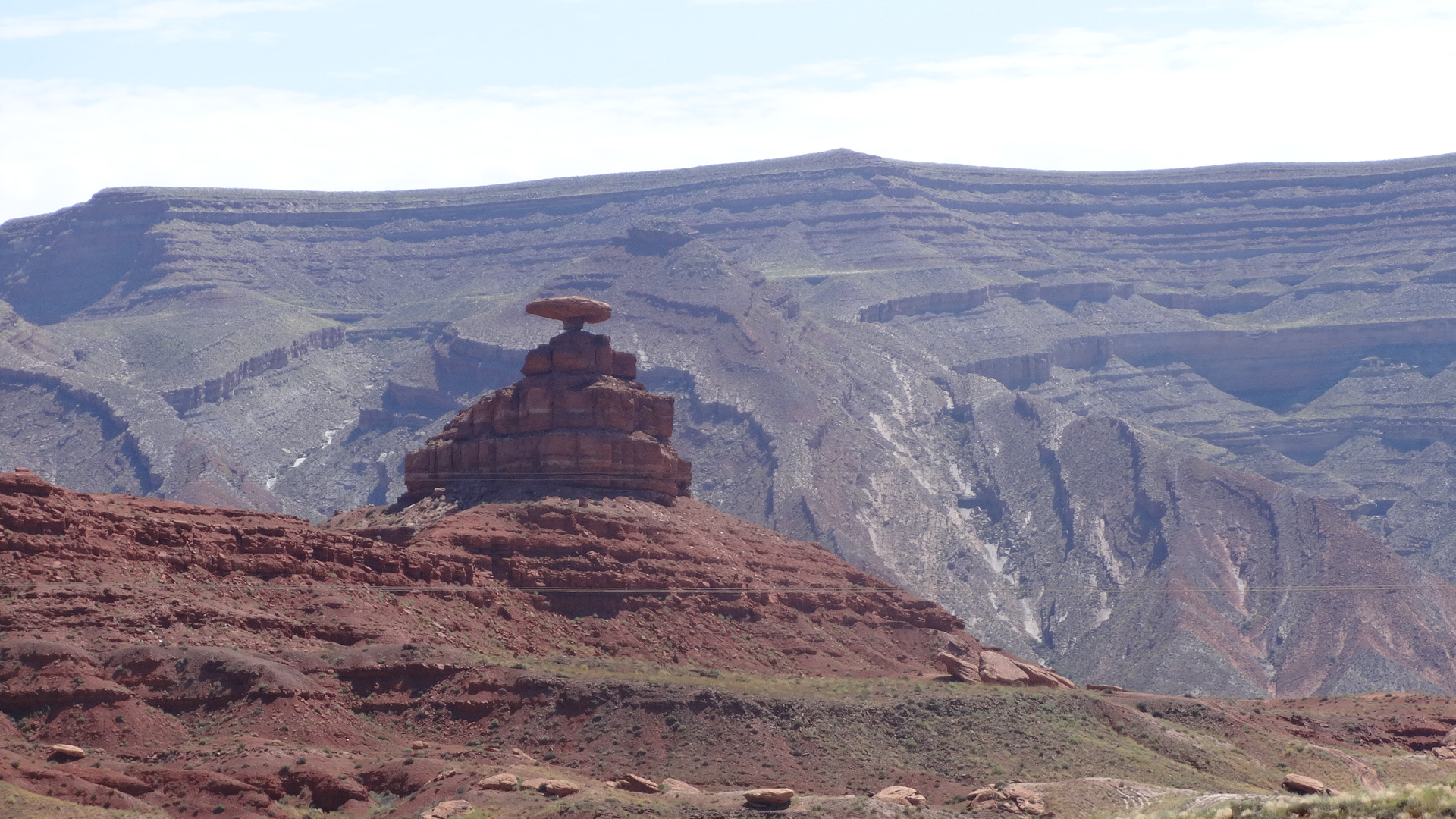
A final farewell to monuments: the Mexican hat stone.

How this ever happened I'll never know.

How this ever happened I’ll never know.

The road calls and it ain’t the freeway.  Headed to Durango and mountain country.

First 25 mph curve showed up 2 miles in advance; this one was just half a mile from the turn.

First 25 mph curve showed up 2 miles in advance; this one was just half a mile from the turn.

Two land blacktop blues. I get to see the loss and ruin that go along with the small town, rustic way of life.

Two land blacktop blues. I get to see the loss and ruin that go along with the small town, rustic way of life.

It’s hotter today so I have to suspend the Drive the Temperature rule: was 93-98 most of the time.

And it's not all that uncommon. This is the world that box stores and freeways, with all their pluses, took away.

And it’s not all that uncommon. This is the world that box stores and freeways, with all their pluses, took away.

Still chasing mountains too and everytime a range looms up ahead the road finds a way to snake around them. But it’s changing. The landscape has more pynon and juniper now and isn’t quite the desert it has been for so long.

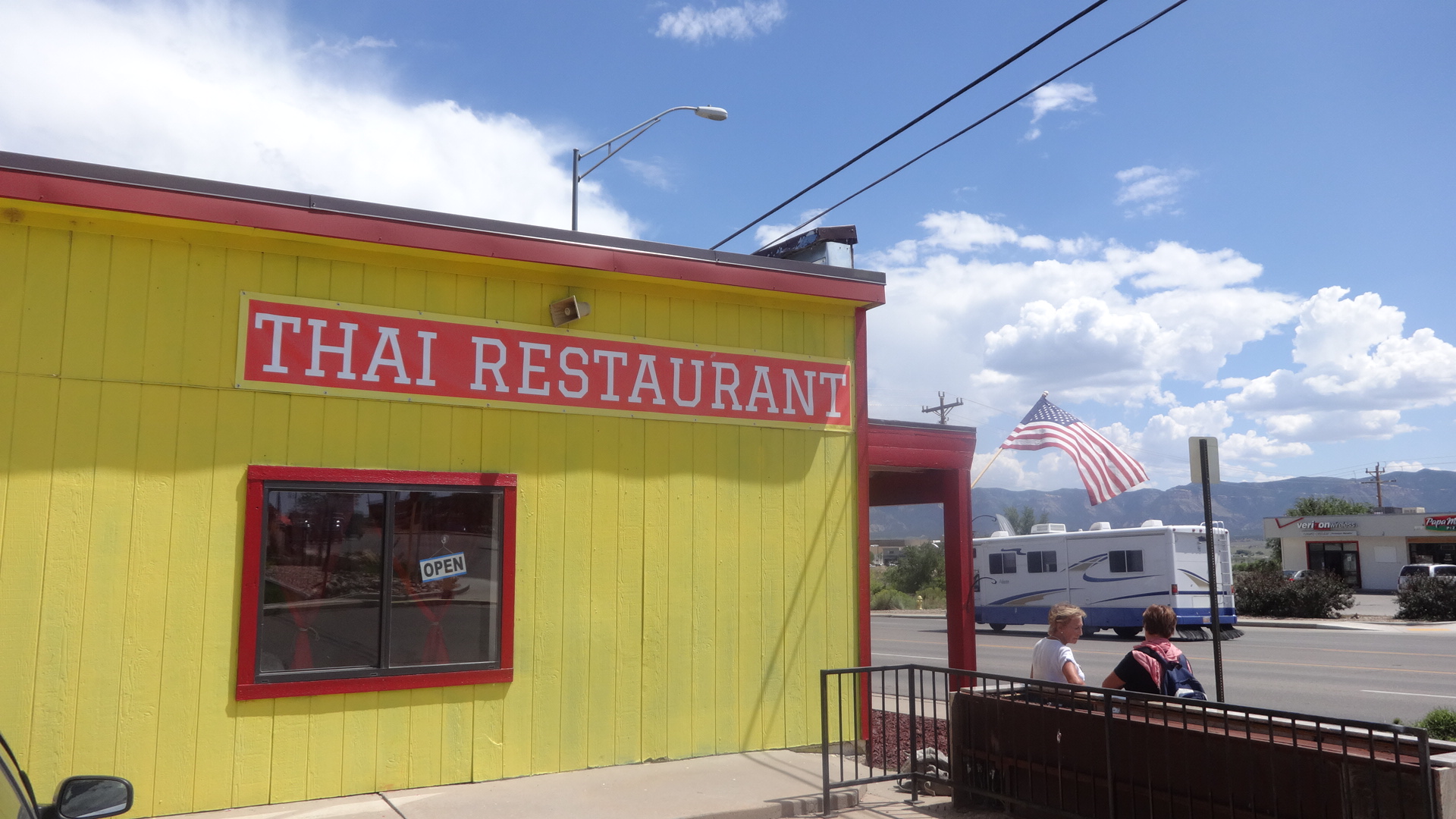
Praise the Lord for Thailand. Second time I’ve found Thai food and it won out over burgers and fried chicken both times: fresh, tasty, healthy. Plus the Thai ice coffee is great for the road.

Not too impressive looking. In Cortez, CO but the food was excellent.

Not too impressive looking. In Cortez, CO but the food was excellent.

I’m getting near Durango but detour to Mesa Verde National Park where there are some of the most elaborate pueblo ruins in the country. 20 miles into the park I find one of the many villages that are  preserved.

Tucked below the top of the mesa and still in good condition.

Tucked below the top of the mesa and still in good condition.

Some dwelliings were 3 stories with kivas too.

Some dwelliings were 3 stories with kivas too.

Soon Durango looms before me. A right turn and I’m at my destination:

One of two grand ole hotels in Durango.

One of two grand ole hotels in Durango.The

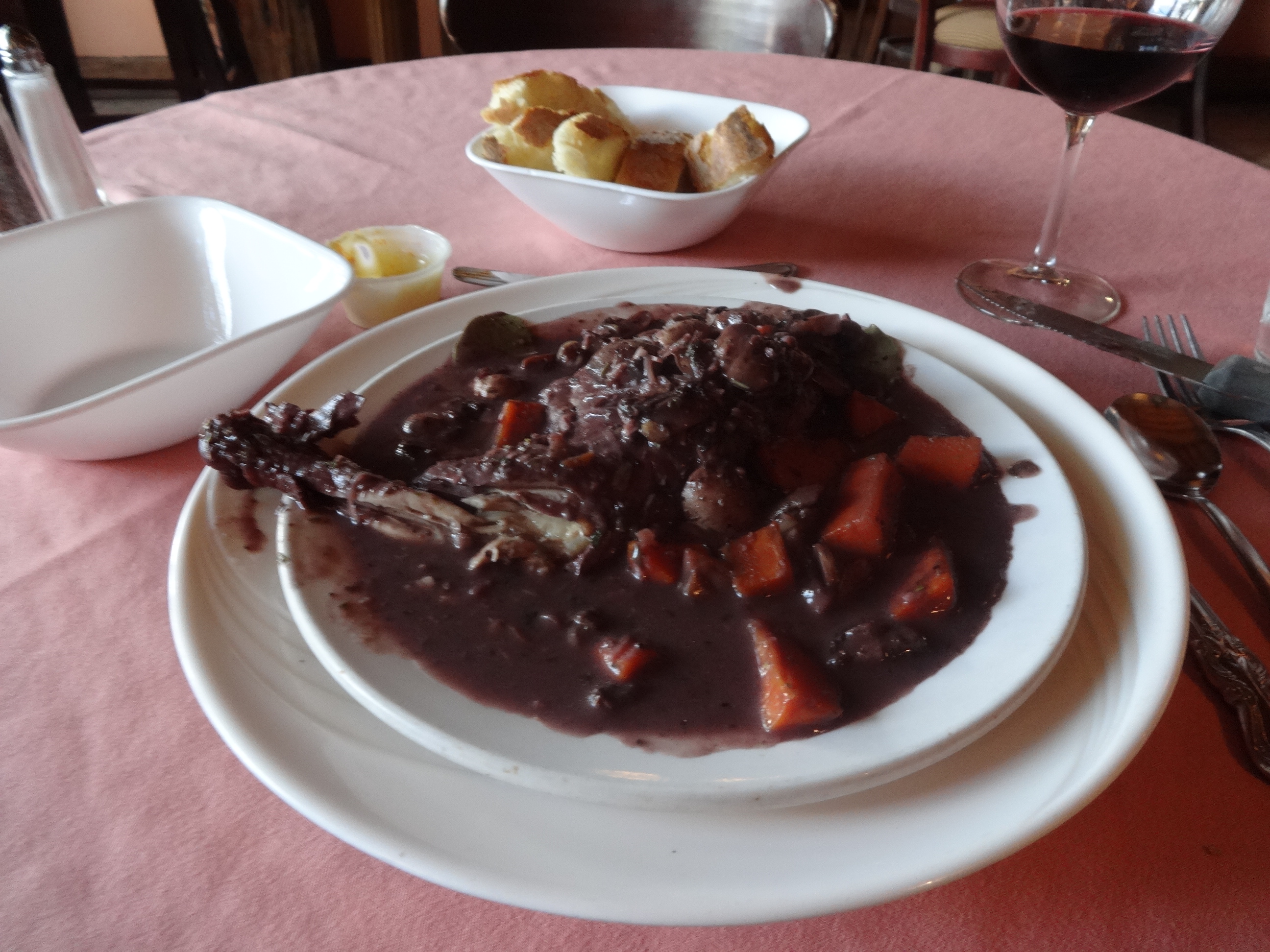
The call of the cow won out yesterday and I’ve done penance with oatmeal for breakfast and today I find Jean Pierre’s bakery and restaurant and have the delicious coq au vin:

Very tasy. Chatted with couple next to me. He was trying to get back with his ex-wife, worried about his daughter who graduated and was living at home, lost, and changes to Durango. He was with a woman. His ex-wife. She started to read a book as he continued talking with me.

Very tasty coq au vin. Chatted with couple next to me. He was trying to get back with his ex-wife, worried about his daughter who graduated and was living at home, lost, and changes to Durango. He was with a woman. His ex-wife. She started to read a book as he continued talking with me.

Saturday night in Durango and Main St got blocked off and folks got their dancing shoes out.

Boots are the thing to wear.  I had shoes and they were getting worn.

Boots are the thing to wear. I had shoes and they were getting worn.

i didn't even wear these for my hikes but it's off the grid and the freeway and there's a lot of dust out there.

i didn’t even wear these for my hikes but it’s off the grid and the freeway and there’s a lot of dust out there.

The country music boys did a great cover of Johnny Cash  among other things.

They set up right by the ole time train station and kicked up some lively tunes.

They set up right by the ole time train station and kicked up some lively tunes.

Music  went on into the evening and the sky was saying the sun wanted to turn in for the night, sending its soft pink kiss good night.

Tomorrow it's on to Silverton.

Tomorrow it’s on to Silverton.

Boulder Bound Day 4 (Searching for John Ford)

No end to rugged country.  Monument Valley next: from SW Utah to SE Utah.

Leaving Zion. Checkerboard slope.

Leaving Zion. Checkerboard slope.

It’s out through a tunnel and onto the 2 lane blacktop world again.

What is this absurd picture doing here? (to borrow from Land without Bread). Suddenly it appeared in the middle of the desert.

What is this absurd picture doing here? (to borrow from Land without Bread). Suddenly it appeared in the middle of the desert.

There’s an answer, man-made: Lake Powell, although it’s pretty darn low.

Look below to see why this lake exists.

Look below to see why this lake exists.

Glen Canyon dam. Bus loads of folks stream across the bridge to get a closer look.

Glen Canyon dam. Bus loads of folks stream across the bridge to get a closer look.

Page is the town the workers on the dam lived in. It has at least dozen churches like this one, plus MacDonalds, plus the Blue Buddha, recommended but also closed.

The churches of Page line the main front one after another like fast food chains, competing for customers.

The churches of Page line the main front one after another like fast food chains, competing for customers.

Time marches on. I wound up eating at a cantina that had its own power supply.

You can hear the burgers sizzling.

You can hear the burgers sizzling.

Even deserts have their gas.

Even deserts have their gas.

There it is! Not the trailer but the first sight of Monument Valley.

There it is! Not the trailer but the first sight of Monument Valley.

These monuments take the breath away, even if you’re but one of hundreds pouring in. I headed over to Goulding’s Lodge where I had a room and jumped on the 3.5 hours “deluxe” tour, departing at 4pm, close to the magic hour.

I'll be your guide today.

I’ll be your guide today.

Note promnent profile on the right.  Do you see him? Not John Ford. Alfred Hitchcock.  Still looking for Ford.

Note prominent profile on the right. Do you see him? Not John Ford. Alfred Hitchcock. Still looking for Ford.

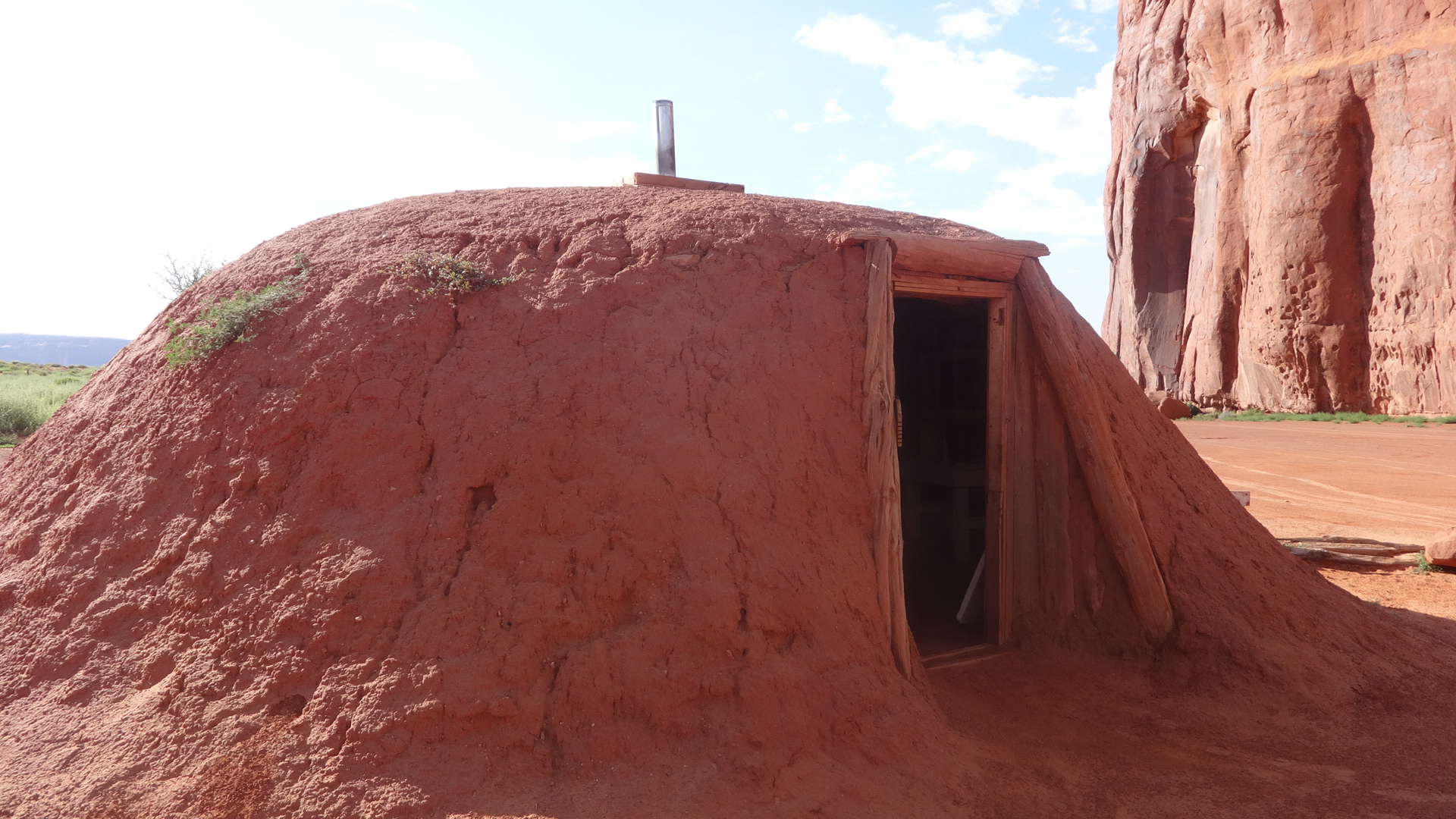
A female hogan where we (all 3 of us on the tour) saw a demonstration of weaving and I chatted with Robert, our Navajo guide, who says the young people flee and no one builds hogans from logs anymore.

A female hogan where we (all 3 of us on the tour) saw a demonstration of weaving and I chatted with Robert, our Navajo guide, who says the young people flee and no one builds hogans from logs anymore.

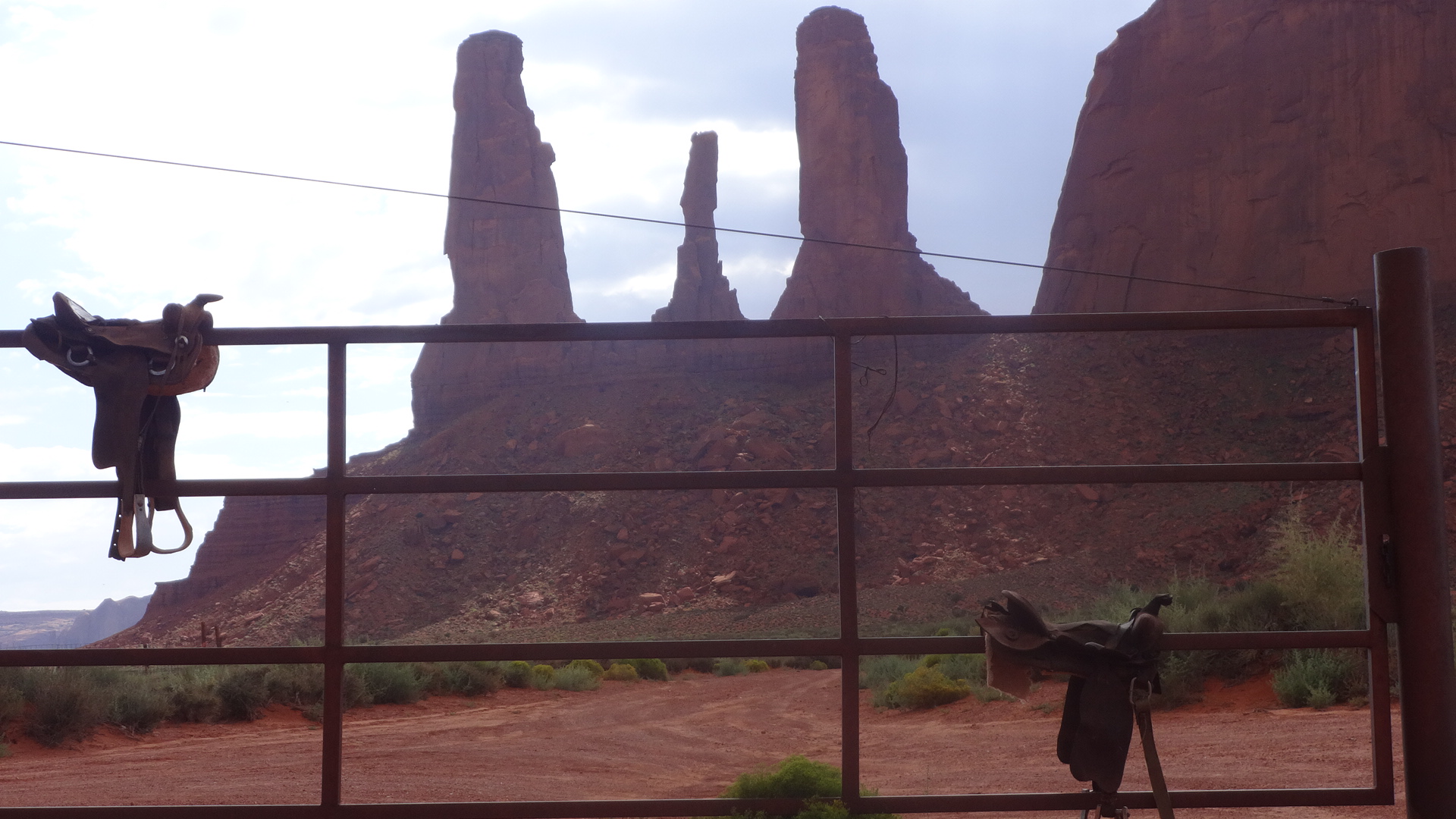
Saddles and monuments at one of our stops where we could also buy Navajo crafts.

Saddles and monuments at one of our stops where we could also buy Navajo crafts.

See the "W"?  Not the hotel chain, or that President, but it's one of the more impressive monuments.

See the “W”? Not the hotel chain, or that President, but it’s one of the more impressive monuments.

2015-08-14 16.12.53

I’m glad I didn’t take my car on the tour. It’s all dirt, deeply rutted, standing water in places, and lots and lots of bumps, jolts and bangs. But worth it.  The more remote sites had a profound silence and magical aura of nature’s supreme power and the patience of milennia.

At dinner I surrender. Good good overall so far, but the preponderance of menu items features beef.  I order the filet mignon, am not disappointed and compensate with oatmeal for breakfast.

Tomorrow it’s on to Durango. Still looking for John Ford, though Robert says the local people invited him back after he retired for a banquet tribute as someone whose films remain iconic reminders of the sheer beauty of this country.

Boulder Bound Day 2: “Chasing Mountains”

The distant hills

gn=”aligncenter” width=”584″]Just the great long road Just the great long road
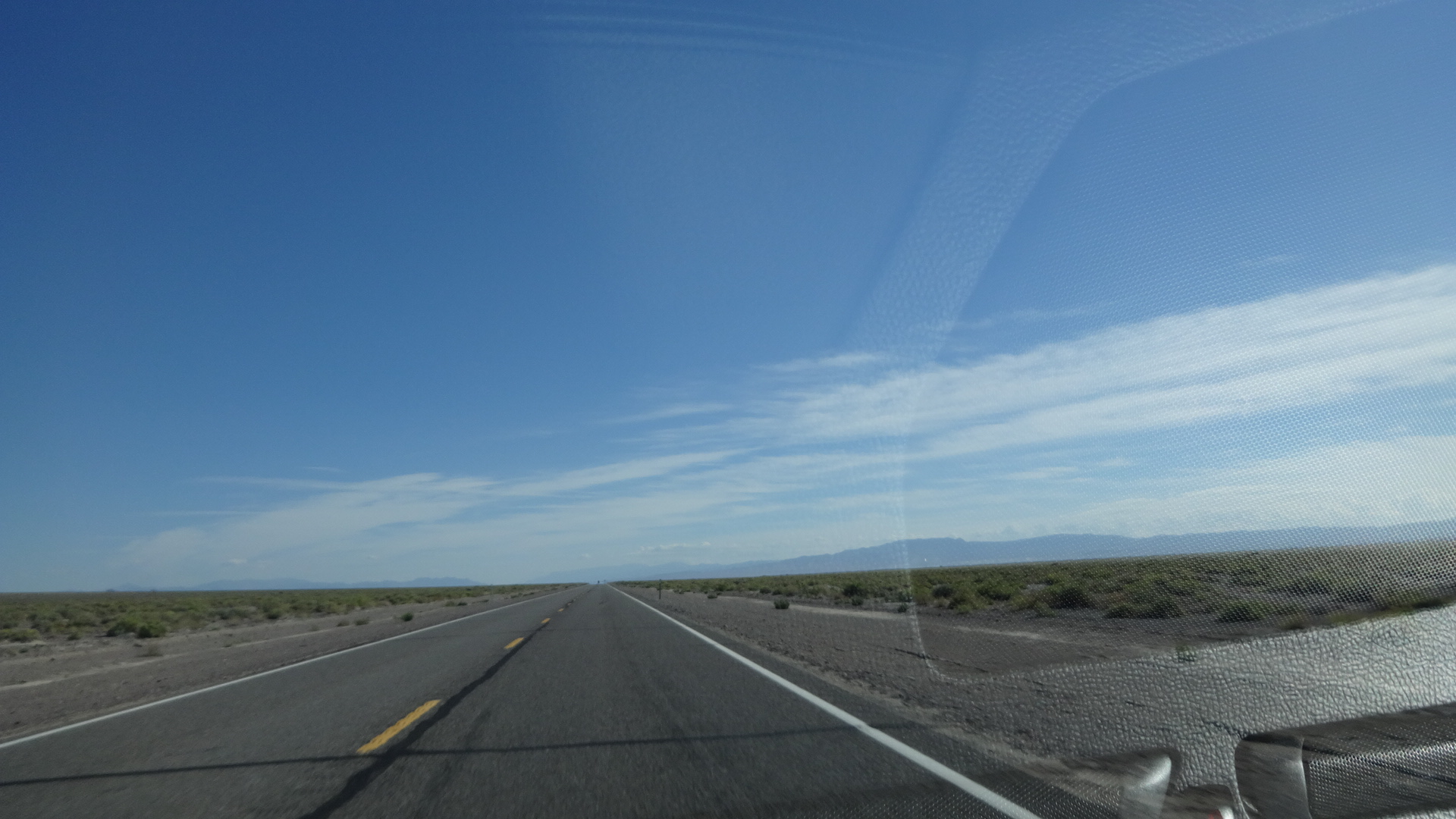
Day 2 is across the great deserts of Nevada on backroads. Nary a car in sight. The goal; you can’t tell yet from the photo above but look below:

The distant hills

The distant hills

For hours mountain ranges loom in the distance but as I near them the road finds a way to snake past them on the flank of a canyon or valley wall. And it’s on to the next stretch of flat hard road.

Nevada's small town life

Nevada’s small town life

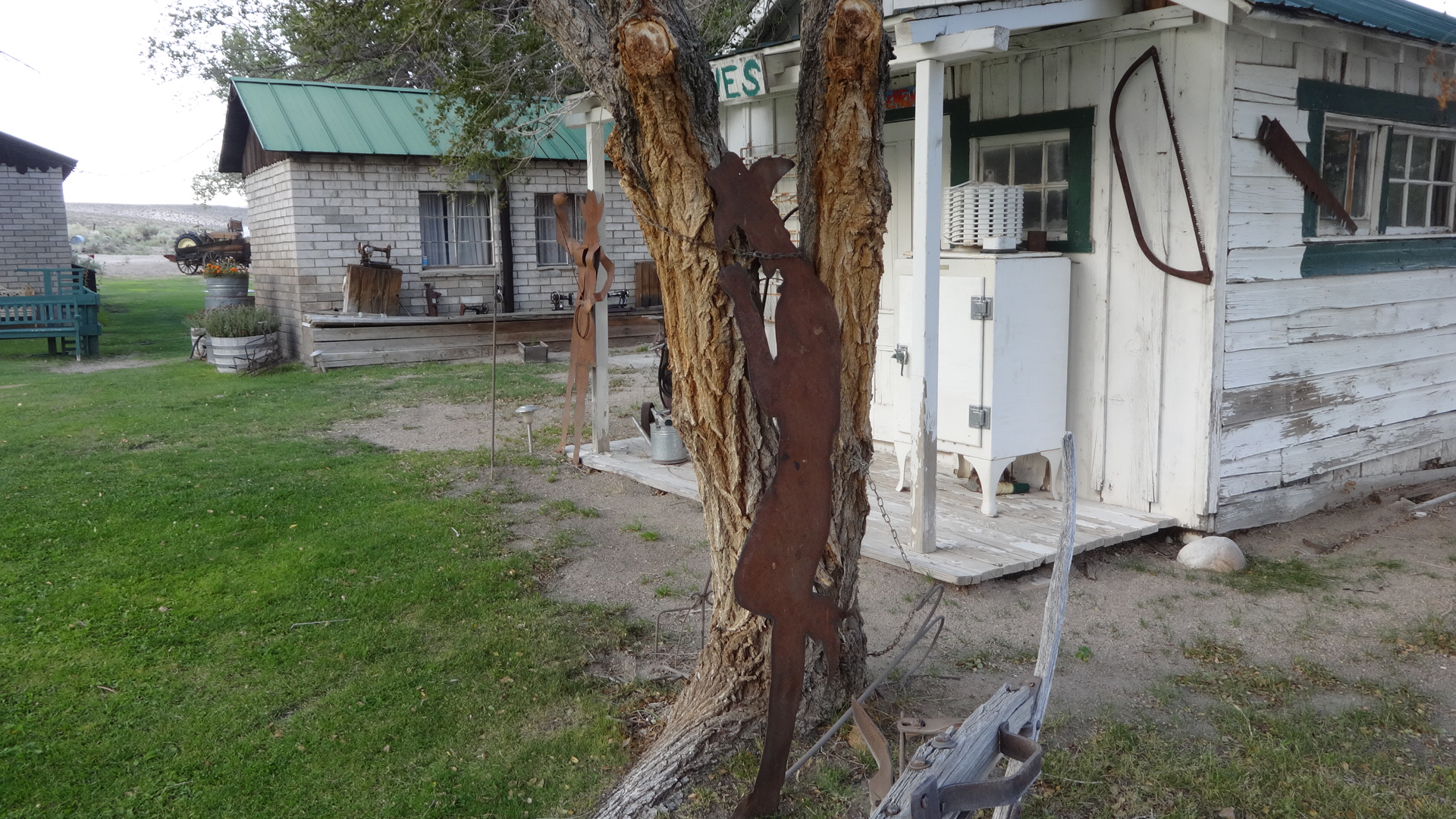
I’m not sure what folks do here, there is a huge heap of mine tailings but they’re very old. There is however, outside the Post Office, this sculpture:

Heroism in the high desert

Heroism in the high desert

How this fellow got here and what happened to the young woman I don’t know but I was impressed by the size and power of the work.

They used to say the west was lawless, not it seems the law has come and gone.

They used to say the west was lawless, now it looks like the law has come and gone.

Hard times for Mr. Whipple. His sign was near the intersection of two major backroads: a little patch of activity with an auto repair shop and some mobile homes.

I asked if he wanted to play tennis, but he said he was booked up.

I asked if he wanted to play tennis, but he said he was booked up.

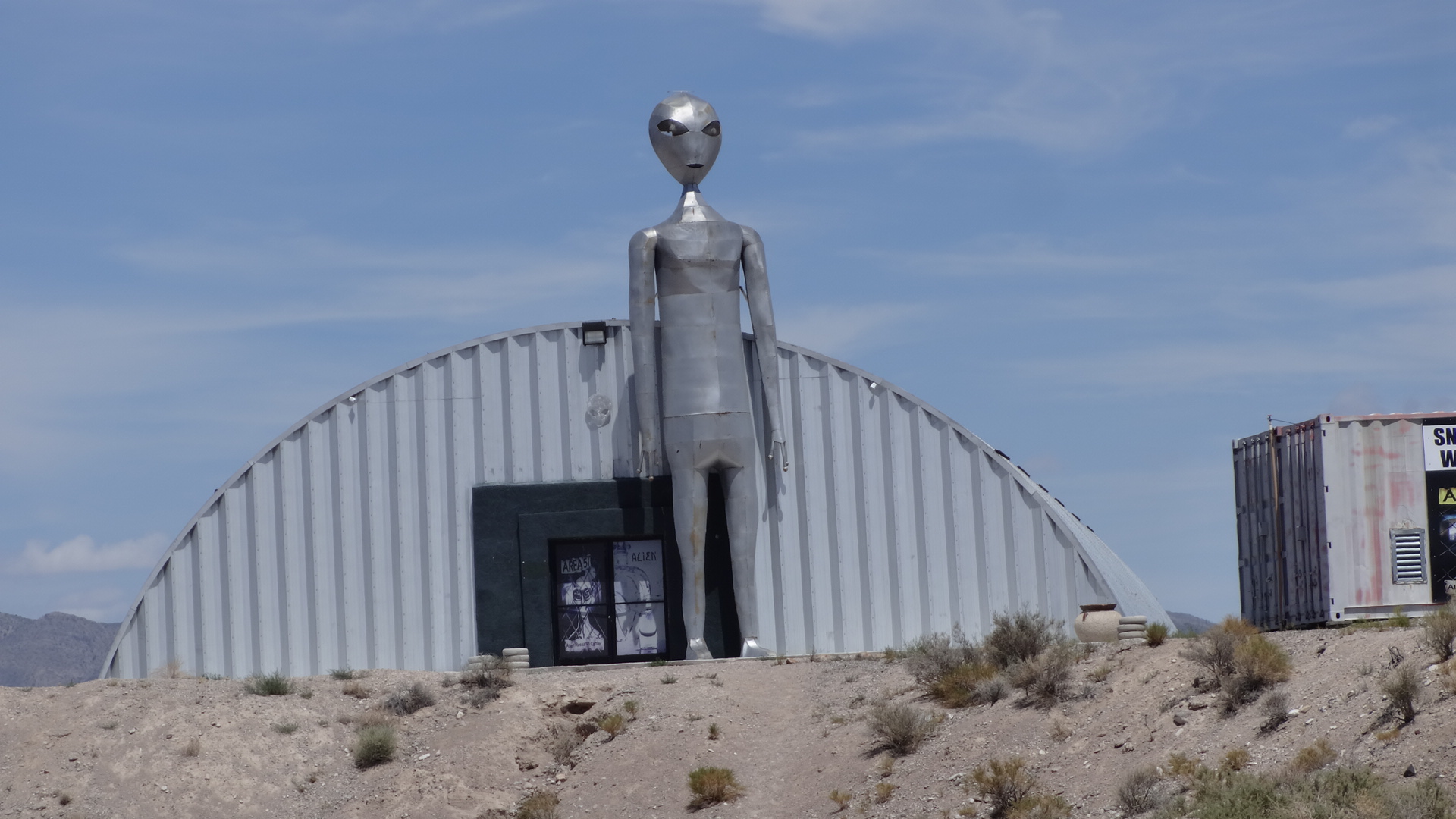
A sense of humor and a long memory for atom bombs, nuclear fall out and strange goings on in Area 51 is all around me.

Found on the side of a nut shop, at another junction of back roads: no gas, no cafe, but lots of nuts.

Found on the side of a nut shop, at another junction of back roads: no gas, no cafe, but lots of nuts.

The day is getting on. How fast to drive with no one around? Drive the temperature. It was 85 most of the time and that’s what I did.  Gas? Nearest gas was 111 miles at one point. I was ready to pay anything but it was cheaper than in San Francisco.

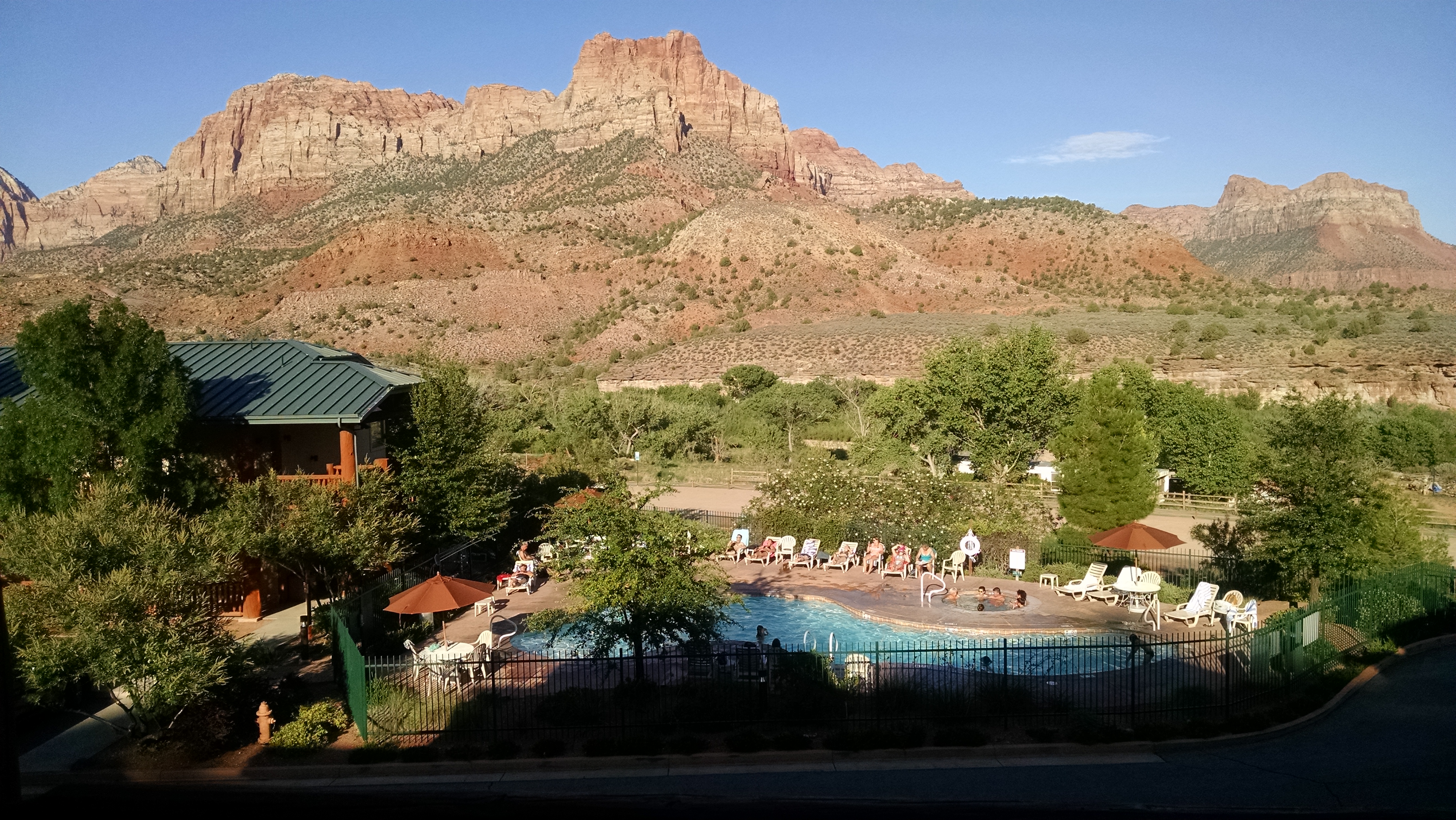
From my balcony at entrance to the park. tomorrow: into Zion National Park, on foot.

From my balcony at entrance to the park. tomorrow: into Zion National Park, on foot.

At last, the hills are truly mountains. Zion is before me. The landscape has hints of the verdant once again. And I am worn.  Time for dinner and hiking plans on my day in Zion.

Boulder Bound Day 1

On the Road

On the Road


It’s on the road to Boulder for Fall 2015 to help build a new MFA in Documentary Filmmaking. I’m in the car, not on the motorcycle.

Boulder Trip Day 1 018
Sites galore, after whipping across the Central Valley on 120, Straight shot to Yosemite. Past US 5 then 99 then straightn on out. Until Hwy 99 turns up in front of me. Small navigation error it seems. Add one hour to driving time.
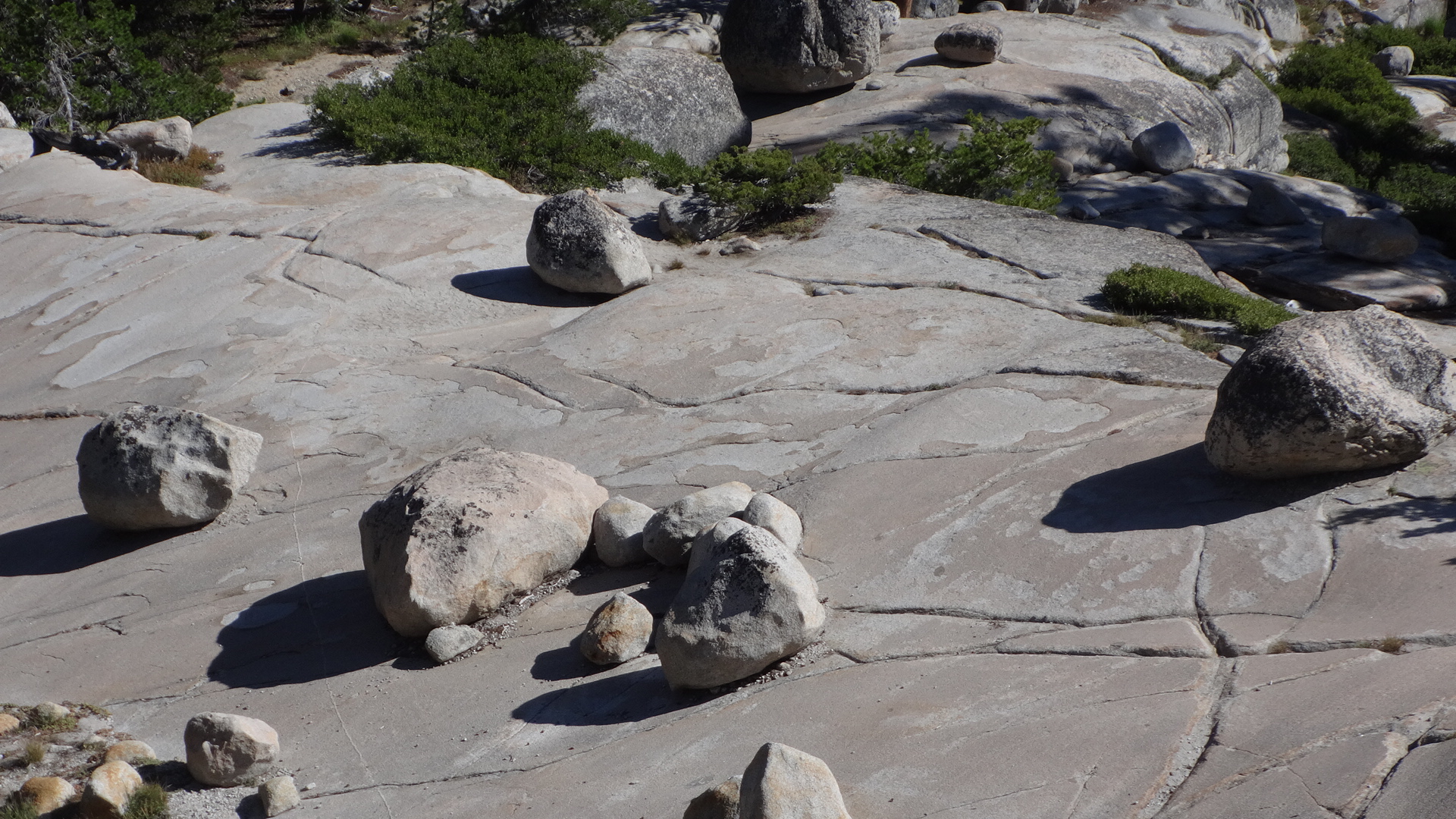
The image above was in Yosemite, Olmstead Overlook, with craggy boulders and rocks.

It Ain't San Francisco

It Ain’t San Francisco


Dinner time overlooking Mono Loake in Lee Vining.First restaurant I’ve eaten in that had framed samples of 10 different kinds of barb wire, all labelled and dated, late 19th C. She was there too. on the wall. Waiting or maybe she lost track of time. Everyone else seems to have done that.
Boy meets Girl, sort of

Boy meets Girl, sort of


He’s plain to see and she’s in the background, aluminum hued. It’s at Benton Hot Springs, where I spend the night. 50 miles beyond Lee Vining. Great soak in outdoor hot but gazing at the dessert.

Coit Tower and Its Murals

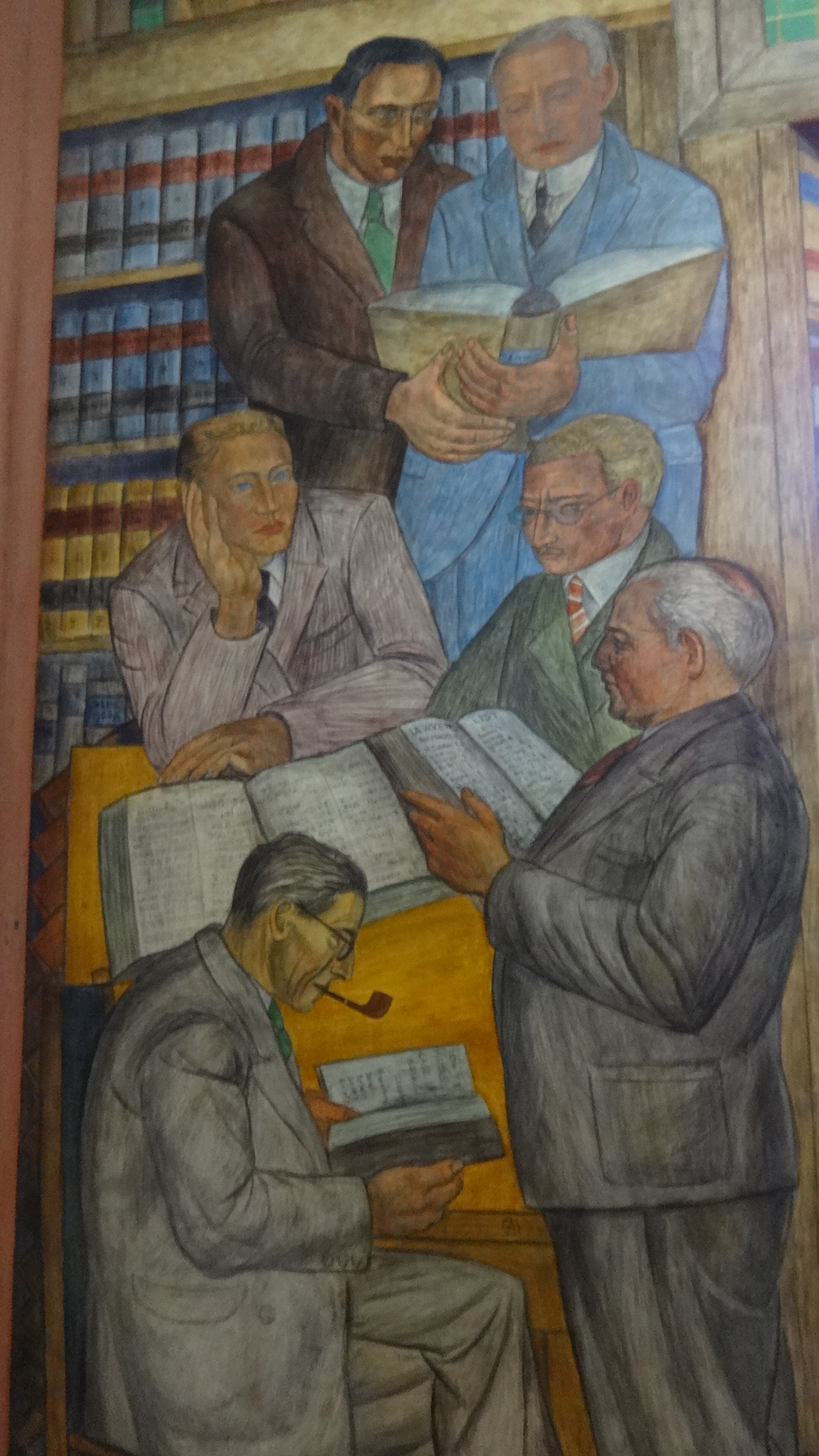
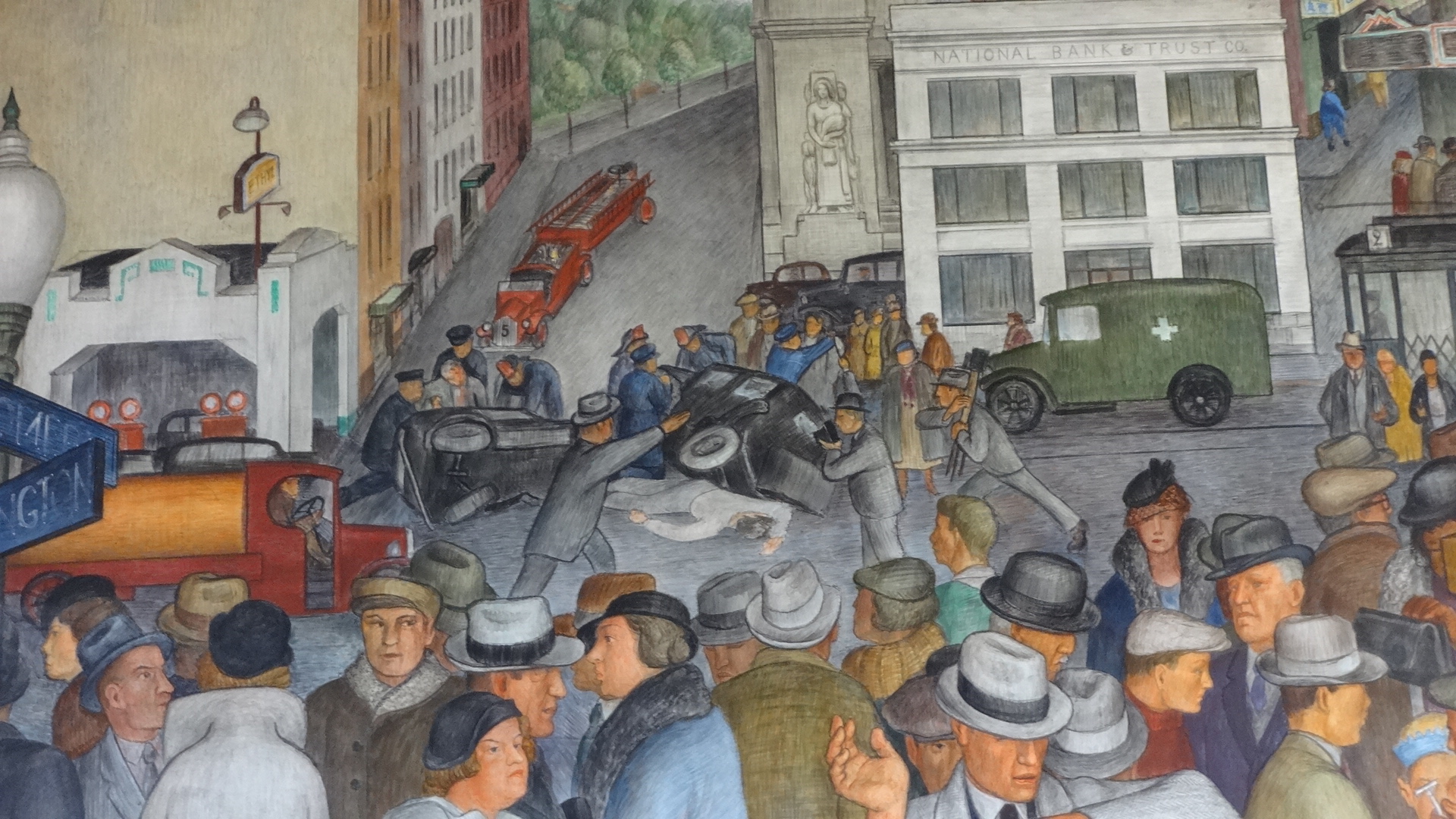
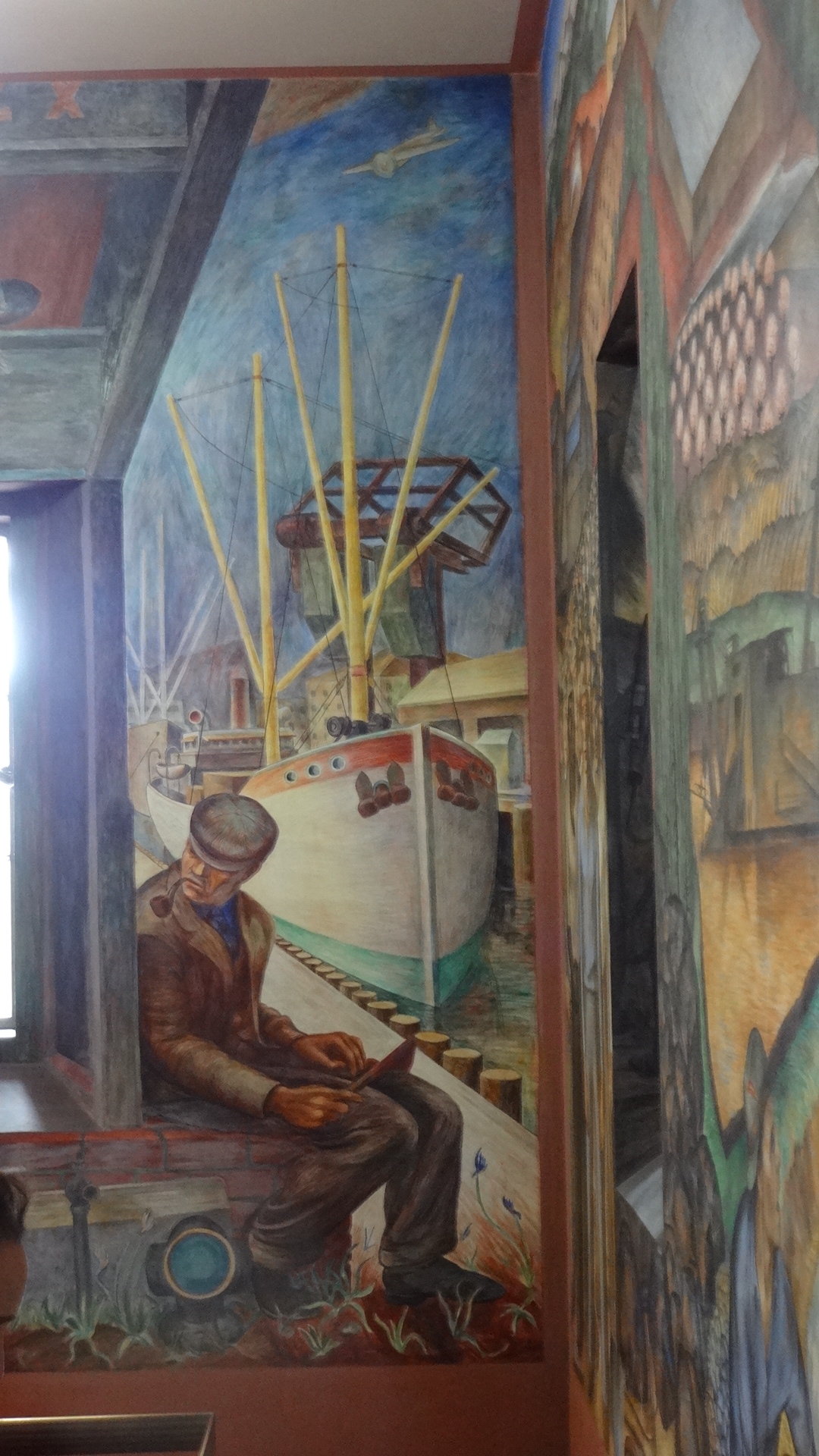
Workers of the WorldHere is a small detail from the great murals of Coit Tower, San Francisco.  A tribute to the firemen of the city, and designed to resemble a fire hose nozzle, or other things more phallic if one prefers, the tower would be merely a tourist attraction were it not for the murals.  Created during the Great Depression by a group of local artisits who were, for the most part, friends or students of Diego Rivera, the murals capture the harshness and diversity of American life in stunning panoramas of great proportion.

The first two images below contrast the news of the day with the information that makes fortunes, and the well-heeled who absorb it. The news isn’t happy making but the library provides little joy either, it seems.

The third below, of a family panning for gold, washing clothes and of the daughter(?) sawing an enormous log, probably for cooking, contrasts this sample salt of the earth group with the leisure bound family of gawkers above them who stand near their car taking in the “picturesque” scene, as some who stroll by the murals today still do.

Cars are less a means of transportation than a threat to human life for the masses, it seems and the fourth image–all these shots are but segments of quite large murals–captures the horror of an automobile accident and the carnage it causes.

To the right of it is a man on the dock. He sits looking off to the left, waiting, hoping, expecting? We can’t tell but the large ship behind him is clearly of less interest than something yet to be seen, and perhaps done, something that will transform this world of contrasts and contradictions, misery and privilege.  Like him, it seems we’re still waiting.

News, Dreary News in Hard Times
Boys and Their Books, away from the newspapers
Tale of Two FamiliesDeath Comes, as it must to allOn the Dock

Squaw Valley Community of Writers

An annual event for almost half a century, this weeklong gathering of writers is one of the best and most distinctive.  Shunning the elitism that mars others with their clear demarcation of supplicants from gurus and gatekeepers, Squaw Valley mixes and mingles “staff” (everyone who comes to provide insight and guidance) and participants in one big melting pot of about 130 people, most of whom are fiction writers but with an appreciable number of non-fiction/memoir writers too.

I was invited to participate this year based on a sample drawn from a novel I’m writing. Every morning for a solid week I joined 11 other participants and a workshop leader, who rotated every day and included four well-known authors, an agent and an editor to discuss two of the groups’ 5000 word submissions for 60-90 minutes each. Every story had considerable strength; the discussions focused on possible ways to make each work better.  It was a take it or leave it, say what you feel, format with authors listening, not commenting, until the end of the discussion when we learned how close our responses and thoughts were to the goals of the author.

The rest of the day consisted of panels and readings that ran from 1pm until 9 or later at night with an outdoor communal dinner for all thown in where you might sit next to another beginning novelist or Amy Tan, a new memoir writer or Alice Munro’s editor, Ann Close. The panels also involved writers, agents and editors, all of whom were familiar names and faces and they all had great things to say on everything from whether every novel is a mystery novel to how to write about sex. It felt as if I were strolling along inside the mind of a collective genius, especially as someone making the difficult transition from academic to creative writing.

Anyone in love with words, as, I confess, I am, would find themselves in heaven. Discussions of point of view, voice, the uses of past and present tense, reliable and unreliable narrators, rhetorical figures, narrative structure and stylistic effect–in workshops, panels, over coffee, at dinner and in the bars–were the staples of the week. And gradually, as the days passed, a true sense of community grew and grew. Before going, I told people I was going to a writer’s conference or workshop but not to the Community of Writers. It seemed too corny. But after having attended, and feeliing now a part of that group, I will ONLY say that I was part of the Squaw Valley Community of Writers in 2015.

You can find more about the Community on its Facebook page.

Mad Men: Going Going…

It’s all over but not the debate.  Both commentaries in the New York Times (in Logan Hill’s blog online on 5/18/15 and in Alexandra Stanley’s printed review on 5/19/15) discuss the ending as a clear message that Don Draper is back in the fold, “creating” the iconic Coca Cola ad that ends the show.  I don’t buy it. That is a possible reading but an incredibly cynical and tone death one to me.

The only reason to think the Coke ad is Don’s creation is the smile, or smirk, he has as he’s meditating just before we cut from him to this saccharine but famous ad. It feels to me lthat he has found something more valuable than advertising and that the ad belongs to the world he’s left behind ever since Marie vacuumed out his apartment and he realized that those “things” were nothing he truly needed. Isn’t that realization what propels him to walk out the beer ad meeting that would have been a chance for the old Don to truly shine? Consider all the other experiences and changes he’s gone through in the last two episodes:

*The strength of character he displays in returning the stolen money to the vets without exposing the identity of the true thief. He lets these men think the worst of him, if they choose, because he’s done the right thing and has no need for their forgiveness or acceptance.

*His conclusion of the divestment that began with the loss of his apartment’s furnishings, involuntarily, and now culminates it giving away his car and whatever other items were in it, voluntarily, apart from that little bag of overnight essentials, to the man who stole the money and needs to find his bearings.

*His open confession that his CO died because of his carelessness and that he stole his identity. It’s the first time he has willingly owned up to the falsehood behind the life he’s built for himself. It’s been based on deception not unlike the ads he’s created and has walked away from. He later repeats and elaborates on this confession to Peggy.

*His entire experience at the Esalen look-alike (shot on located right there by the sea, the beautiful sea) including:

*His willingness to go there at all.

*His shift from Mr. Zombie who irks the woman in front of him with his stony silence so badly that she shows her feelings by giving him a big shove.

*His heartfelt hug with the bereft man whom he cries with at the pivotal encounter session.

*His shift from a desperate urge to flee when he finds himself stranded there on his own to turning up, freshly dressed in off-white slacks for the first time in the entire show, for meditation by the sea.

*The real grief he expresses, non-verbally, to Betty as he tries to offer some words of comfort only to realize that “normal” for his own kids has come to mean him not being there.

*His collapse on the ground as a miserable failure after his confession to Peggy only to see him rise and accept an invitation to join the encounter group where he will at last discover his depth of feelings.

Does all this not suggest a genuine transformation? To give him credit for the ad is to see all this as posturing and pretence, soon enough forgotten. It is a discredit to the moral complexity of the show.

The clever but pathetic parody of what makes life meaningful embodied in the Coke ad strikes me as Weiner’s final send up of the valueless world Don has left behind. He could never find a real goal or purpose in this world of half-truths and deceptions; he no longer needs to create a false front or fake persona, in life or in ads. None of his colleagues could give him a worthwhile goal that they’d fight for when he did his informal survey for Roger’s speech, but he does find something of value when he looks into his own heart, even it is at Esalen, an easy to mock target for the excesses and blind spots of New Age awareness, but a model of what we need to do to gain greater self-awareness all the same. Don’s new level of awareness—of the woes and suffering of others and of his own long suppressed feelings, seems genuine. And it clearly fits the mold of the road trip as journey of self-discovery that figures so massively in American movies and novels from Easy Rider to On the Road and well beyond.

Assigning the ad to Don is clearly possible: Weiner does not rule out that possibility, and even Jon Hamm himself thinks it’s a viable conclusion in an interview he gave: “With a final ding, the screen cut to the 1971 Coca-Cola “Hilltop” commercial—a sign that, depending on how you read it, either Draper has found the enlightenment this famous ad was trying to commodify, or was responsible for creating the ad himself.”

My money’s on the former choice of enlightenment but clearly part of the genius of the show is that the ending can be read two ways, at least. That so many critics seem to see it as obviously and totally clear in its meaning suggests a massive “failure to communicate” in the final moments of this extremely memorable program. Why would we want to discredit all the transformations we’ve seen him make? What does that say about the possibility for change, especially given that all the characters have evolved and grown more into themselves over the course of the show? Are ads the final expression of what truly matters in life? Don’s “fall” in the opening credits now clearly reads as a fall from pretence and illusion, not from grace. He doesn’t quite end up in an easy chair but he is clearly, as he sits there in a full lotus position, meditating, at one with himself, perhaps for the very first time.
Steve Jobs: The Man in the Machine

Alex Gibney’s on a tear. He’s one of the few documentary filmmakers who is releasing more films than most folks can keep up with, including Mr. Dynamite: The Rise of James Brown; We Steal Secrets, on Julian Assange; Sinatra; Going Clear, on Scientology, and The Armstrong Lie. Steve Jobs: The Man in the Machine, which Gibney narrates, seeks to answer a simple question: why was a man who was as much a terror as a genius, as much a heartless cad as a savior, as much a ruthless busnessman as a tech guru mourned by millions who never met him?
The film follows what is a familiar Gibney tack, dating back to Enron: The Smartest Guys in the Room: successful men are given their due but their feet of clay are thoroughly exposed as well. Hubris radiates from their very being, or as Job’s first long term partner and mother of his first child, Lisa, notes, he was one of those rare individuals who achieves enlightment through his ego rather than despite or beyond it. He never exhibited empathy toward others, and even tried, in slanderous fashion, to deny the paternity of his first child, until DNA evidence made his lies impossible to sustain. (There is an echo here of Lance Armstrong’s vehement denials of drug use until the test evidence became too overwhelming to deny but it is just one of many lies Jobs spins in the course of the film.)
But, we say, all is forgiven: Steve Jobs singlehandedly gave us the iPod, iPad and, most radiantly of all, the iPhone! His product announcements were major media events and he was, without doubt, The Man in the machine, expressing the wonder and awe we all feel at the magic that digital technology can work.
So why the vast wave of mourning?
Gibney doesn’t answer the question so much as use it as a pretext to explore Jobs’ contradictions, the thing he also does with Elliot Spitzer, Lance Armstrong, the Enron guys, scientology and Julian Assange. He is our best documentarian when it comes to setting black and white contradictions side by side so that icons and heroes remain so, but with a new found sense of their flawed, sometimes fatally flawed human nature.
And Jobs? Wasn’t he the charismatic face of an entire industry? Other names, from Melissa Mayer to Bill Gates, make the news but none have the charisma of Jobs, who was not only a highly savy geek (and what he didn’t know Steve Wozniak, co-founder of Apple and early casuality of Jobs’ callous ways, did), he was also a born salesman. He gave gadgets a human face. He made us not just want but need them.
This moves into terrain Gibney fails to explore: fetishism, commodity fetishism, to be exact. We overvalue an object because, as Marx explained and as advertisters have known ever since, we fail to see the real human labor that went into it and behold it, instead, as a magical talisman of great power or beauty that arrives from nowhere, or in the hands of a god as a wonderous offering. The fetish stands apart and possesses an aura we come to worship or at least experience with awe. And when we want to associate this with a human face–there it is: not the buxom model standing next to the latest sports car, but Steve Jobs, the man in the machine.
In that sense, the mourning for Jobs was mourning for a dead god, a figure who did not so much produce the magic as stand as its iconic face. That this face was Janus-like is not surprising. How can a commodity be both a thing of beauty and the result of mass pollution, grossly underpaid and overworked employees in foreign lands, suicides and despair? How can a thing earn our deep admiration and also be the source of egregious profit ($300 per iPhone, eg!) that, following the logic of the market place, is not even taxed because it’s tucked into overseas accounts? How can Jobs be a guru and a genius but also a man who lies, deceives and intimidates to get his way?
Is he not an emblem for the contradictions of capitalism itself, a system that uses the fetish object as a distraction from the wreckage that lies behind the marketplace? And as the only such emblem in the enire IT sector, it is little wonder that his passing was profoundly mourned. We are left with the image of an dark, secretive industry of anonymous but revered drones that Jobs himself helped create in the famous Super Bowl ad of the 1984 world we will never need to experience as long as there is a cute little Apple to overthrow the authoritarian IBM’s of the world. But Jobs’s Apple became IBM and in doing so, demonstrated, when we pull back the veil his company has done so much to maintain, the contradictions of a system he never even attempted to alter even as he added a potent new domain to its rule. In that sense, Jobs was more machine than man, but that is what fetishism urges us not to see.